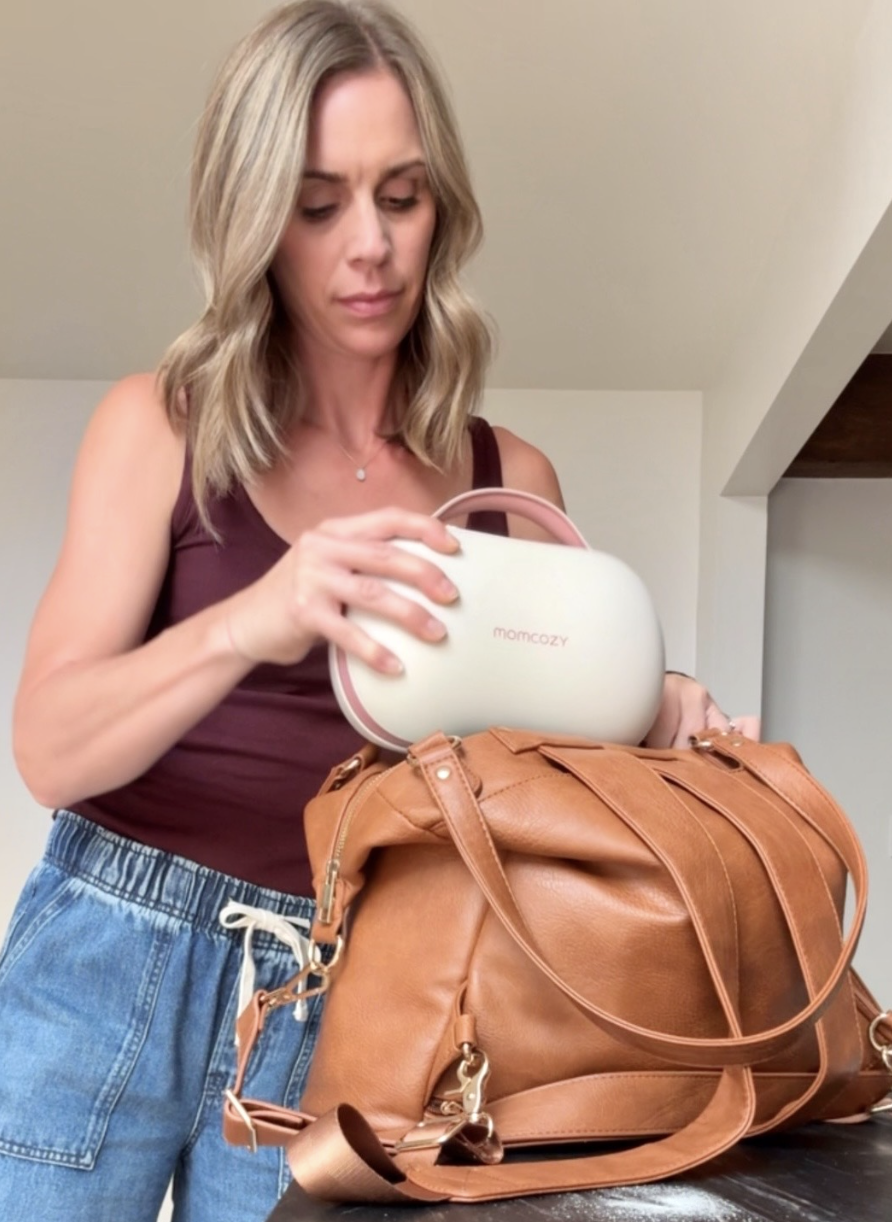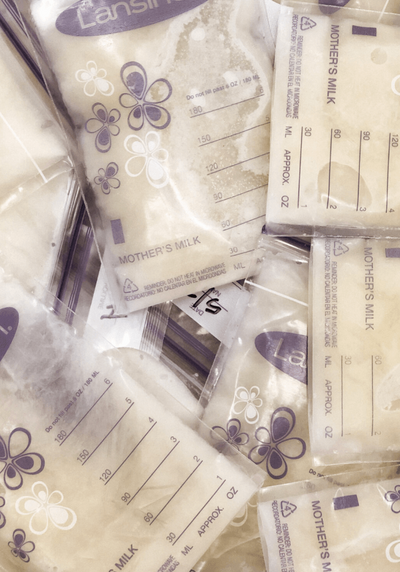





I’m sure you’re already aware that breastfeeding can be both an incredibly good thing and that it can be an incredibly hard thing too. As a certified lactation consultant (CLC) and as someone who has successfully breastfed 4 babies well past a year, I can attest to the truth of both of those things! But, before we go any farther, what I also want you to hear is you can do this and I’m glad you are here.
Breastfeeding is a specific and unique experience every time (believe me, my 4 babies were all SO different), but there are some common challenges that pop up for so many of us. Latch issues, body strain, and nipple aches and pains can all impact your supply, your “success,” and your desire to want to keep going.
We’re going to walk through those challenges more here, so you understand what they can do, aren’t surprised by them when they show up, and so you have some solutions and support through them. I now you have goals – and better education, support, and care are going to help you two achieve them!
In this post, we’ll cover:
- Milk supply basics
- Latch and positioning challenges
- Supporting your own body when feeding
- Nipple challenges
Who is The Labor Mama and Why Am I Here?
Hey friend! I’m Lo – also known around here and social media as The Labor Mama. I’ve spent my nursing career in labor, delivery, and postpartum, have birthed 4 of my own babies, have labored thousands of mamas at the bedside, have taught thousands of students online, and have even delivered a few speedy little babies with my bare hands (oops).
Here at TLM, I offer online classes to empower you the way everyone should be. The education + support I offer gives you experience, evidence, and empathy; you’re getting all of my years of “clinical” RN knowledge, beautifully combined with my real experiences as a mama and a nurse. These are not your average hospital classes (those won’t do it, I promise), and honestly, birth, postpartum, and breastfeeding don’t follow a textbook or protocol anyway. You need to know so much more than that!
If you want to connect with me further, head to Instagram or Tiktok. There are hundreds of thousands of us over there learning together daily.
A note: This post may include affiliate links. This means if you make a purchase after clicking a link, I will earn a small commission (thank you)! Rest assured, this comes at no additional cost to you. You can read TLM’s full disclosure here.
Milk Supply Basics Before You Start Breastfeeding
Did you know that your body starts producing milk, called colostrum, as early as your second trimester of pregnancy? It’s true! That colostrum is what the baby will get in the first couple of days. Then your milk will start to transition to transitional milk and finally, mature milk. While this transition process is kicked off by the delivery of the placenta and a bunch of hormonal changes, milk continues to be produced related to both hormones and the classic supply and demand system you may be familiar with.
For more details on how this whole system works, grab my free Milk Supply 101 Guide here.
Why does this matter to you? Because a good latch and good milk transfer are key to your milk supply. And that means they are key to your breastfeeding relationship! Many of the breastfeeding challenges you may run into are impacting your baby’s latch and their successful transfer of milk, and that is usually the beginning of the “I don’t think this is going to work” feeling.
So if you can combat the things that will try to challenge your latch and subsequently, your supply, then you are on a great path towards making it easier for the two of you to continue.
Why is My Baby’s Latch Shallow?
Ok, so we’ve hinted at the latch, and how important it is. One of the biggest complicators of latch is that it is too “shallow,” which simply means that baby doesn’t have enough of the tissue around the nipple (areola and breast tissue) in their mouth when they latch on. It might look like baby is latched, and it might even feel like they are, but this shallow, nipple-only latch can lead to a ton of nipple issues, which we’re going to discuss, as well as poor milk transfer. Long-term, this just won’t work for you.
Often, a shallow latch is related to positioning, of both the baby and you. It sounds silly, but it takes some work to make sure baby is lined up with your body right and supported well. And then it takes work and strength to maintain that position. Equally so, sometimes you get baby latched “perfectly,” but you are often doing some sort of uncomfortable, stressful, hunched posture position that isn’t maintainable for you!
Guess what the first thing is that we do at the hospital to support all of this better? Grab all the pillows and try to get you set up. Pillows around baby, under your arms, supporting your back.
We do this because we need both you and baby in a position that you both can maintain comfortably. And when we find this position, often when baby is belly to belly with you and lined up well from their head to their hips, we remove the chance of a shallow latch related to poor positioning.
This is where a great nursing pillow like the Momcozy Max Support Nursing Pillow can play a big role. It’s highly unlikely that you will want to shove 4 different pillows in all the places every time you’re trying to breastfeed at home. But you can easily grab the Max Support Nursing Pillow and take advantage of its great design, including a wider and larger pillow body, the buckle behind your back to keep it from slipping around, and Momcozy’s patented protective safety guard design that helps you keep baby where they need to be during their feed.
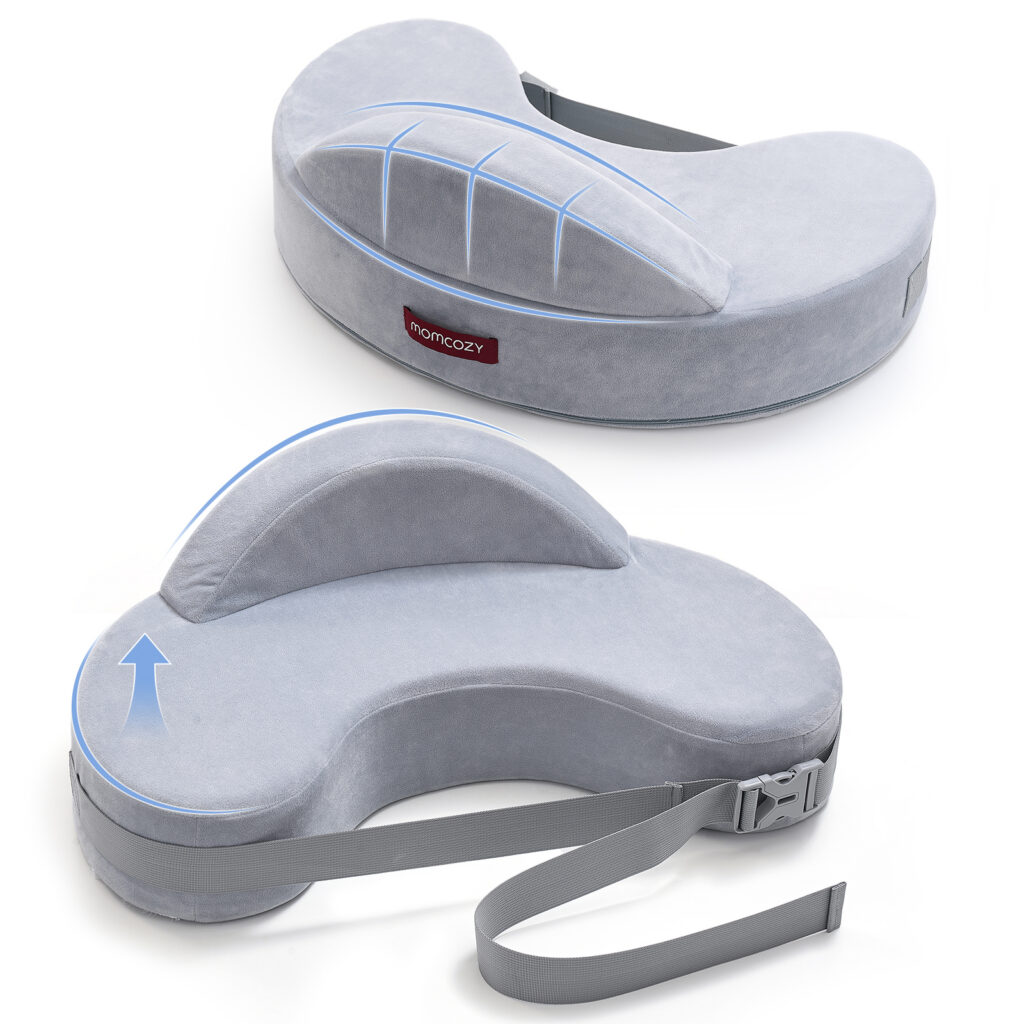
I love this design. The widened pillow body, the memory foam, and the safety guard all serve two great purposes:
- They help you maintain your baby’s proper latching position
- They help to alleviate the maternal fatigue that may build up from a tense body and anxious feeds
The patented protective guard especially is a very cool addition. To be clear, your baby should never be left to sleep on the pillow unattended or without an adult present. But during feeds the guard acts like a “safety fence,” helping you hold your baby in place without so much effort on your part!
When you are exhausted and brand new at this, those long nights and frequent feeds can be a set up for poor positioning and the dreaded shallow latch. A supportive pillow like the Max Support Nursing Pillow really helps your baby stay where you need them to be so you can focus on your body and the other parts of a great latch too.
A note: Use the nursing pillow only for awake, supervised feeding. Never use it for infant sleep or lounging, and never leave your baby unattended on the pillow, including on a bed or sofa. If your baby falls asleep—or if you begin to feel drowsy—move your baby to a firm, flat sleep surface such as a crib, bassinet or play yard.

Body Strain Can Make Breastfeeding Feel Hard to Sustain
I want you to picture something for me. A new mom, her baby is 12 days old. She’s breastfeeding every 2ish hours during the day, clusterfeeding from about 8pm-11pm each night, up 3-4 times in the hours between 11pm and 7 am (this is all normal, by the way).
She’s hunched over while she feeds, shoulders up around her ears, back hunched, her arms and wrists tight with the strain of not moving a muscle because the baby’s latch is perfect and she does not want to mess it up.
I know this sounds dramatic, but it’s so real. I’ve seen it time and time again at the hospital, and I’ve lived it on my own so many times!
The frequent feeds of your new baby combined with the necessity of you finding positions that allow you to maintain a good latch mean that it is really easy for you to end up tense and sore in your arms, shoulders, neck, and back. Those night feeds or cluster feeding sessions can make this even worse, as you may feel like you’re hunched up in some sort of strange way for hours. And that feeling in your body? It’s going to make it a lot harder to continue.
I know I mentioned the Momcozy Max Support Nursing Pillow to you already, but this is a place where a pillow like this can support you while it also helps you support your baby. The wider surface area that I mentioned gives you a place to rest your arms. The patented safety guard in the design also gives you the freedom to do the one-handed mom tasks that still pop up during a feed. The back buckle includes an adjustable lumbar support pillow that supports your lower back. It also uses a firm memory foam that keeps baby up at the height they need to be so you don’t feel like your arms and upper body have to continually support the fullness of your baby’s weight.
And are you (or someone else) doing some bottle feeding during some of these feeds? The pillow is a great support to hold baby in an elevated position for a bottle feed too!

Your new baby is going to feed a lot. This means a lot of effort for you and your body. The more we can do to support your body (and baby’s), the better you two will be at maintaining that healthy latch, getting that good milk transfer, and supporting that milk supply system we talked about. And that means more days breastfeeding for both of you.
How to Help Sore Nipples From Breastfeeding
If you asked me one of the primary complaints during early breastfeeding, I’d tell you that both anecdotally, in practice, and in my own life, it would be nipple soreness and pain. So many run into this challenge as they are learning to breastfeed (and it can be rough).
Yes, the breastfeeding process is “natural.” I know how often people say that. But natural does not equal easy. Natural does not mean you and baby both know what to do and it just works. Both of you are learning a lot, and that often means there will be aches and pains along the way, and the nipples are probably going to be one of those.
I know I’ve mentioned shallow latches, or a “nipple only” latch. That can be one very big reason for sore, tender, or cracked nipples. The frequency of nursing or pumping sessions can also complicate this, as your breasts don’t really get a lot of breaks (even if you need one). In the early days and weeks, engorgement is common as well, and full, tight breasts can make it tough for baby to latch as deeply as you need them to.
I can attest to how hard it is to want to keep nursing when it becomes painful. Nipple discomfort can definitely lead to a lot of anxiety before feeding or pumping, and it can be hard to both know what to do and want to continue. It’s kind of one of those “I can’t keep doing this if it’s going to feel like this” feelings.
Good news – there are things you can do! First, I would always suggest that you have a trusted lactation consultant supporting you two. When it comes to nipple discomfort, you can’t just treat the discomfort! You have to treat the cause first, and the support of a professional will help you correct underlying latch issues.
Gentle and consistent nipple care can also help make breastfeeding feel more comfortable and sustainable for you. There are definitely things you can do both before and after nursing and pumping that can help your nipples recover and support the better latch and milk flow you’re looking for.
Some of these things are:
- Warmth before breastfeeding to encourage breast softness and let down
- Gentle massage and hand expression before breastfeeding to soften tissues before latching (especially when engorged)
- Cooling after breastfeeding to ease any discomfort
- Lotions and creams to support nipple repair
- Silver nipple shields
- Hydrogel breast pads
One tool that I have found to be so helpful with nipple tenderness and irritation is the Momcozy ComfortNip™ Nipple Cream Pen. This tool actually combines multiple nipple care solutions. It is a 3-in-1 tool that can heat, cool, vibrate, and dispense their lightweight nipple cream! The warming and vibration settings can be used before breastfeeding and pumping to prep the breasts and nipples and help you and your body relax. The cooling setting can be used for immediate post-feeding or pumping comfort, and the lotion can be applied at any time (and it doesn’t leave any sort of sticky residue behind).
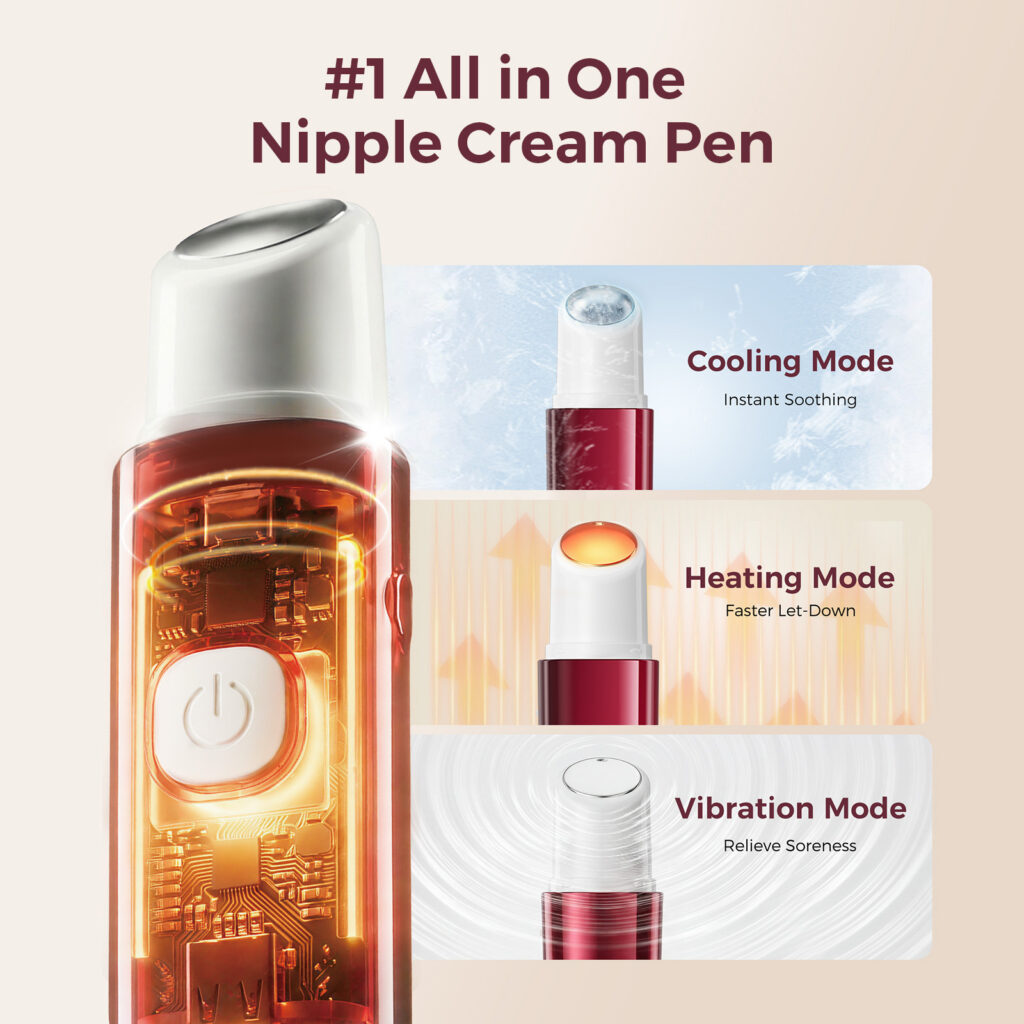
The Nipple Cream Pen is small, rechargeable, easy to use, and can definitely be used one-handed (so important in mom life, right?). Dispensing the lotion is so easy, and it is so nice that they’ve built it to be a hygienic, touch-free application. This is especially convenient for feeding on the go, as it is quick and clean and leaves your own fingers mess free too.
The lotion for the Niple Cream Pen is a lanolin-free, plant-based, fast-absorbing formula made with organic shea butter, squalane & raspberry ketone. And when it runs out? You easily slide in a new refill. This little tool is so easy to keep at your bedside, on a nursing cart, or toss into the diaper bag for those feeding-on-the-go moments I mentioned.
A More Sustainable Breastfeeding Routine Combines Positioning and Comfort Care
As I’m sure you’ve noticed, so many breastfeeding challenges are connected to or stem from the same place. Much of the time, that connection is all about the baby’s latch. And often, one thing leads to another:
- Positioning can make it challenging to find and maintain a deep latch
- Full, engorged breasts can make it hard for baby to latch well
- Shallow latches can lead to nipple irritation, discomfort, or damage
- Irritated nipples can cause you to dread the frequent feeding or tense up throughout
- Your sore, strained body feels exhausted
I know your goal is not just to make this work, but to make it work in a way that feels sustainable and doable over the longer-term. I’ve been right there too, many times. To do that, you’re going to need to be sure that 1) you are focused on healthy, supported positioning for you and baby, and 2) that you are caring for your breasts and nipples well, before and after feeds.
The Max Support Nursing Pillow and the ComfortNip™ Nipple Cream Pen are both tools that can support you well in these two areas. For those frequent (and sometimes exhausting) feeds, both day and night, the pillow will support both you and baby, releasing you from the need to hold “perfect” positions or constantly readjust and giving you a free-hand back for all the little things you may also be trying to do.
If these frequent feeding sessions do lead to that common nipple irritation, discomfort and subsequent anxiousness before the next feed? The Nipple Cream Pen can help you relax before you latch, treat any discomfort you feel after your feeds, and keep the area moisturized while it recovers.
Better Support Can Help Moms Keep Breastfeeding
Like I said when I started, every breastfeeding journey is going to be unique and specific. But one thing that is always true is that no one should be pushing through pain and discomfort to make it work. Get a lactation professional in your corner! Work on addressing root causes of aches, pains, and discomforts. And find tools that can support you in this, whether it be a supportive nursing pillow like the Max Support Nursing Pillow or a nipple care tool like the ComfortNip™ Nipple Cream Pen.
The right support, both in the people around you and the products that are with you along the way, can be gamechangers in making this breastfeeding story feel manageable, sustainable and enjoyable.
And if you need a person in your corner, don’t forget I’m here. xx – Lo