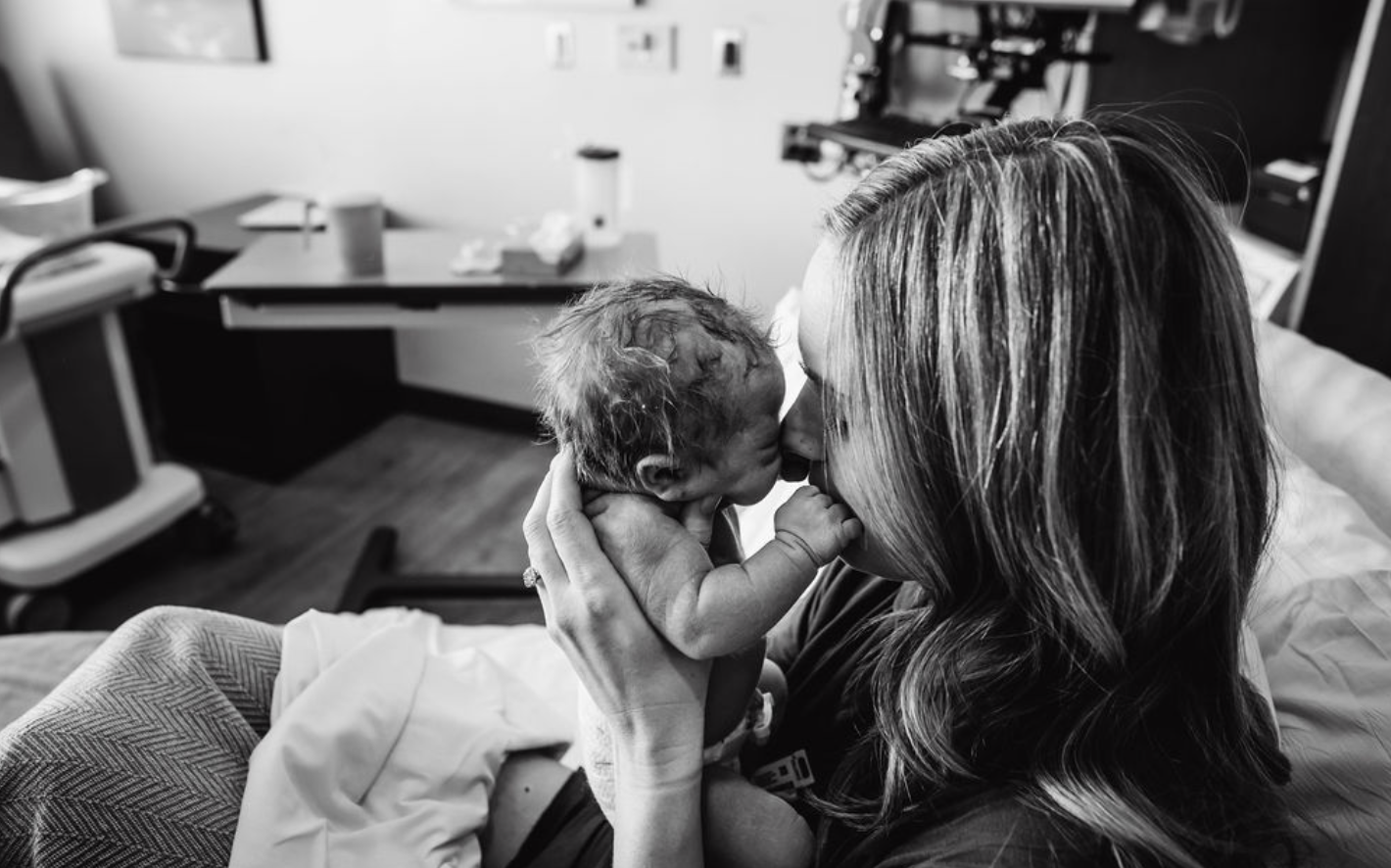


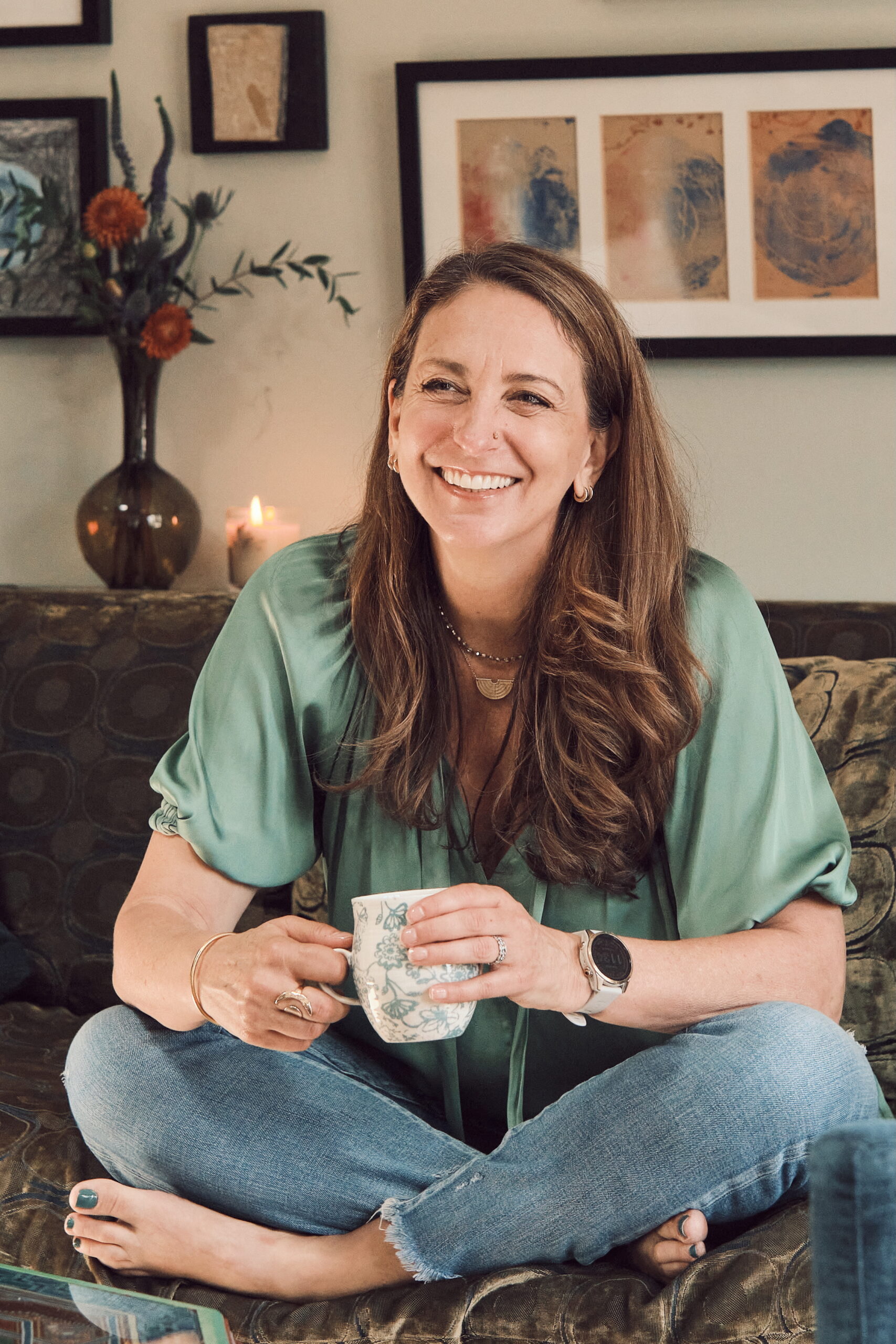


I was so excited to speak with our guest today, Britta Bushnell, PhD. Britta is the author of Transformed by Birth, host of the Transformed by Birth podcast, a mother and grandmother, a mythologist, and a childbirth educator who has spent the last 25 years walking families through one of life’s biggest thresholds: birth and new parenthood. We talked about why birth is truly a rite of passage, and why that transformation doesn’t stop when your baby is born. Your identity shifts, your marriage shifts, even what you mean by “my family” shifts. And it happens again with every single baby. Britta also shares her “turning of the family wheel,” which is so helpful for anyone working through new dynamics with in-laws (or, like her, learning how to step into the grandparent chair!).
Join YBYB: www.thelabormama.com/birth & use the code PODCAST to save 20%
We also got real about control. As a type-A mom of four, I felt this one. Britta tells an unforgettable story about trekking the Himalayas that shows the difference between what we can prepare for and what we simply have to respond to in the moment. We talked about how to learn about birth without overstuffing ourselves with an overload of information, what to do if a doula isn’t in the budget, and how to take the next step even when you don’t feel confident. We ended on one of my favorite parts: how to speak to yourself with kindness through these transformations instead of judging the version of you who didn’t know then what you know now. You’re going to walk away with stories that stick, I promise.
More from Dr. Britta Bushnell:
Grab her book: Transformed by Birth
Listen to her podcast: Transformed by Birth Podcast
Follow her on Instagram & FaceBook @brittabushnellphd
Mentioned in this episode:
Listen to episode 24: Boundaries, Babies, You & Your Mother-in-Law with Dr. Tracy Dalgleish
Helpful Timestamps:
- 00:00 Welcome Dr. Britta Bushnell
- 08:15 Redefining Family After Baby
- 17:05 Parenting Keeps Evolving
- 24:04 Each Baby Rocks the System
- 31:15 Do You Need a Doula?
- 43:21 Self Compassion After Birth
About your host:

 Lo Mansfield, MSN, RNC-OB, CLC is a registered nurse, mama of 4, and a birth, baby, and motherhood enthusiast. She is both the host of the Lo & Behold podcast and the founder of The Labor Mama.
For more education, support and “me too” from Lo, please visit her website and check out her online courses and digital guides for birth, breastfeeding, and postpartum/newborns. You can also follow @thelabormama and @loandbehold_thepodcast on Instagram and join her email list here.
For more pregnancy, birth, postpartum and motherhood conversation each week, be sure to subscribe to The Lo & Behold podcast on Apple Podcasts, Spotify, or wherever you prefer to listen!
 A request: If this episode meant something to you, would you consider a 5 star rating and leaving us a review? Yes, we read them, and yes, they help keep L & B going! ♥️
Connect with Lo more on: INSTAGRAM | TIK TOK | PINTEREST | FACEBOOK
Disclaimer
Opinions shared by guests of this show are their own, and do not always reflect those of The Labor Mama platform. Additionally, the information you hear on this podcast or that you receive via any linked resources should not be considered medical advice. Please see our full disclaimer here.
Additionally, we may make a small commission from some of the links shared with you. Please know, this comes at no additional cost to you, supports our small biz, and is a way for us to share brands and products with you that we genuinely love.
Produced and Edited by Vaden Podcast Services
Transcript
no wonder there's so much change and transformation when you welcome a baby 'cause everybody involved is shifting.
Lo:Yep.
Lo:Yep.
Britta:Relationships, definitions, identity, our relationship to our beloved, all of these things start to shift and change.
Britta:Our relationship to our body, our relationship to our work all get impacted.
Britta:It's all-encompassing in terms of change.
Britta:Motherhood is all-consuming.
Britta:Having babies, nursing, feeling the fear of loving someone that much.
Britta:Then there's this baby on your chest, and boom, your entire life has changed.
Britta:It's a privilege of being your child's safest space and watching your heart walk around outside of your body.
Britta:The truth is, I can be having the best time being a mom one minute, and then the next, I'm questioning all my life choices.
Britta:I'm Lo Mansfield, your host of the Lo and Behold podcast, mama of four littles, former labor and postpartum RN, CLC, and your new best friend in the messy middle space of all the choices you are making in pregnancy, birth, and motherhood.
Britta:If there is one thing I know after years of delivering babies at the bedside, and then having, and now raising those four of my own, it is that there is no such thing as a best way to do any of this, and we're leaning into that truth here.
Britta:With a mix of real life and what the textbook says, expert insights, and practical applications, each week we're making our way towards stories that we participate in, stories that we are honest about, and stories that are ours.
Britta:This is the Lo and Behold podcast.
Lo:Today's guest was one that felt like such a gift to talk to, and y'all know I mean this, like, in the highest praise.
Lo:It felt like talking to my mom, talking to a mama about the ways that birth and motherhood and parenthood changes us, changes our marriages.
Lo:Britta Bushnell, PhD, is here with me today.
Lo:She's the author of Transformed by Birth and host of a podcast by the same name.
Lo:She's a mother and a grandmother, a veteran childbirth educator, and sought-after speaker and mythologist.
Lo:For the last 25 years, Britta has been working with individuals and couples as they prepare for one of life's most profound passages, the threshold of birth and new parenthood.
Lo:Her work draws on doctoral studies in mythology and psychology, years of co-owning a childbirth education training organization, and dedicated study of storytelling, you're gonna hear a lot of storytelling today, solution-focused therapies, and what helps romantic relationships not just survive parenthood, but thrive within it.
Lo:Like I said, she is a queen with a gift of telling stories, metaphors, analogies, and they really are such incredible ways to kind of learn and then have that learning stick and then apply.
Lo:So you're gonna take away some nuggets from this, I promise, and the stories that she tells, they are going to stick.
Lo:Britta, thank you so much for being here with me today.
Lo:Why don't you go ahead and, I know we were laughing about this before, but introduce yourself and give us your elevator pitch, which you said you're not good at a short elevator pitch.
Lo:But give it to us.
Lo:Who are you?
Lo:What do you do?
Lo:Why are we sitting here together?
Lo:All of that.
Britta:Thank you, Eva, for having me.
Britta:I'm gonna do the elevator pitch in the best way I can, but I am the author of Transformed by Birth, the host of the Transformed by Birth podcast, and I'm a mythologist, a childbirth educator, a mom, a grandma, a goofball.
Britta:And I am really passionate about the rite of passage of birth and into parenthood.
Britta:That's really what has kept me in this field.
Britta:I've been in this field for, mm, I think it's almost 27 years, and I'm still here, not necessarily because I'm super passionate about birth.
Britta:I love birth.
Britta:I love parents.
Britta:I love newborns and babies.
Britta:But I'm a real, like, lover of transformation.
Britta:I mean, that's what is truly, deeply interesting to me.
Lo:I really can't think of Maybe I'll walk through something later, or maybe you will, but something more transformative than having a child.
Lo:And each individual experience, too.
Lo:Like, it's not, "Oh, I've had children, so that's been the transformation." Every single birth, like, every single postpartum- Yeah … our marriage, the way it impacts me and my husband, like, the way it's impacting me and my other children when I had other ones.
Lo:It's just, I, yeah, I cannot think of anything that- Yeah … asks something new of us more.
Lo:So that definitely is- I,
Britta:I agree completely … the right word for
Lo:it.
Britta:Yes.
Britta:Yeah.
Britta:It's, I mean, and now I've gone through menopause.
Britta:I'm an empty nester.
Britta:My kids have ventured off.
Britta:Each of those has been a transformation of its own right, and in many ways, going through the journey of birth and new parenthood prepared me for those.
Britta:So it's, it's a, we get, we, we build the muscle strength for transformation across our lifespan, and giving birth and matrescence is a huge one that really prepares us for the ones that are still in front of us.
Lo:Right.
Lo:You know what I've always found so interesting?
Lo:I don't know there's a question in this, but just those people who adopt, like, a 15-year-old and just jump right into one of those later chapters.
Lo:I'm, now that I have little ones and I'm parenting through, and I very much feel like, "Oh, we start here because it helps us get to here, and it helps us get to here, and it's equipping us for this," I'm just wildly impressed with people who adopt children who are older, and they skip, you know, 'cause that's inherently how it goes if they're already a certain age.
Lo:They skip those early years that I've always felt like I needed those to be able to figure out how to get through this year or this season.
Lo:And just so impressed with the people who, who do that and who are willing to say, "I'm gonna step into this without the backstory or the prep of those first eight years or first 12 or whatever."
Lo:I just think that transformation is also just incredible to me because you're doing it without I guess some of that prep we get, or prep's not the right word, but you know what I'm
Britta:saying Absolutely.
Britta:And I think that it's important to remember that a rite of passage isn't a one-size-fits-all.
Britta:So there's as many different versions of going through transformation as there are people being transformed.
Britta:And so, I mean, that's true around birth, too.
Britta:Often when I talk about birth as a rite of passage or birth as transformation, people can get an idea that I'm referring to candles and white nightgown home births, and I'm not.
Britta:Yes, those can be deeply transformative, but that's just one t- one flavor of transformation.
Britta:Sometimes people's transformation occurs in their journey to conception or in letting go of the possibility of conception and moving to another path like surrogacy or adoption or later adoption.
Britta:There's so many different ways to find our way into the crucible of change.
Britta:And birth, new parenthood, whenever that happens, I mean, for me, also the crucible of becoming a grandparent and learning to get my butt out of the seat of authority and control and move it over to the side of how do you wanna raise your child?
Britta:How can I support you in the way you want to do it?
Britta:I'm in a whole other transformation doing that.
Britta:And I love it, but it's a different kind of transformation than the one that I was in when I gave birth to my firstborn and was in that, "Oh, wait a minute, who am I now, and who's in charge, and how do I make these decisions, and what does my child need, and what do I need, and what does my family want and my family need?"
Britta:And by family, I actually mean the family that I've created.
Britta:'Cause one of the things that I see that happens is even our definition of family changes when we welcome a baby.
Britta:Prior to having a baby, when I said my family, like, "I'm gonna spend the weekend with my family," I'd be referring to my family of origin.
Lo:Right.
Britta:Even though I was already married and I had a husband, like, if I said, "I'm gonna spend the weekend with my family," I was not meaning him I was meeting my f- my extended family.
Britta:And then- So
Lo:weird, but I think we all- Yeah … do that.
Lo:I'm like, "Oh, yeah" We do … I did the same thing.
Britta:Yeah, it's a… Because that, even definitions change.
Britta:Even definitions change, 'cause right after having a baby, if I said, "I'm gonna spend the weekend with my family," I meant my husband and my child.
Lo:And everyone would know what you meant as well- Exactly … no matter who you were talking to, 'cause it's this- Yeah … like, understood the other direction.
Lo:It's typically gonna be the same way, whoever's talking to you about what your plans are, for sure.
Britta:Yes, exactly.
Britta:And so those are big transformations.
Lo:It's interesting, you know, right when you were talking about transformation, obviously, I was like, "Oh, yeah, birth.
Lo:I can't think of a bigger one." I'm… My dad once… this would, would've been after I had my four kids, and every time he calls, this is cliche, but it is so loud, and he's always like, he's not complaining, but he's like, "I just, it's always chaos, and your house is so noisy."
Lo:He's just noticing, right, what the stage of life that I'm in.
Lo:And he told me once, "I never would've thought that you would have a home like that," just that, "'cause I like order, and I'm type A, and I like things a certain way." And so I- I've just always loved that.
Lo:If… I took it as a compliment, and I think he meant it that way as well, but it was like, yeah, because I've had to change.
Lo:Like, I've accepted the things that I can and can't control, and there's… It's, I almost think it, again, like, that's been a transformation in me that motherhood has pulled out, for sure, and that had nothing to do with my birth experience or some sort of specific postpartum experience, but just this growing of, these are the things I can control.
Lo:These are the things I can't.
Lo:These are the, these are the ways we're gonna move through our day.
Lo:These are my new normals.
Lo:And it, it has been a very clear, now, you know, looking back, it's a very clear difference than who I was before, let's say maybe even all four of them were here.
Lo:'Cause I still had order when I had one and maybe two.
Lo:Then things started to go off the rails a little bit.
Lo:Evolved.
Britta:But
Lo:that was, like, this own, this own transformation.
Lo:I just thought it was so interesting that my dad really put words to it, where I'm like, "You know, you're right. I don't know that I would've thought I could exist in this way and in this space, and, and here we are."
Lo:Absolutely.
Lo:And it's exhausting and loud, and I get overstimulated and all that.
Lo:Doesn't mean it's, like, this perfect, beautiful glow-up, but it is a whole new version that was asked- like I was asked to step into to have these kids and to have, have this home right now.
Britta:Yes, absolutely.
Britta:In my book, I talk about eight cultural ideals that are kind of like identifying the water that we're swimming in, so sort of the, the over-culture, the, what the society is telling us is true.
Britta:And one of them is about the, desire for control and the need for certainty.
Britta:We like control, and prior to having kids, there is a certain kind of false belief that we have control.
Britta:Like, there's a lot we can, can control in our lives.
Britta:And kids come in and they're like, "Oh, oh, really?
Britta:Are, are you sure about that?
Britta:Let, let me just throw a little monkey wrench into all of this." And it really is a time where we start to have to let go of the illusion of control, and that's some of what the journey of pregnancy, birth, or adoption or the- whatever journey it is into parenthood teaches us, is that becoming more expansive and having greater capacity to hold the not knowing, the lack of control.
Britta:All of that is inherent within rites of passage, and birth, that's one of the things that I think the journey into parenthood teaches us that is preparation for parenthood, that we actually need to know for parenthood.
Britta:Because it is chaos, and it is… Even when it isn't chaos, our children are closer to animals than human when they first come out, and that means they, they haven't learned societal politeness or, or how to be human in a societal context.
Britta:I'm laughing 'cause I'm like- They're feral
Britta:… Lo: yeah, well, that's what I'm like, at what age have they learned?
Britta:I'm thinking about some of the things, you know, my five-year-old or seven-year-old does, and I'm still like, "What are you doing? You can't, like, do that to people."
Britta:Yeah, they're, they're feral.
Lo:Yeah.
Britta:And, and that, that feral nature that is part of their nature teaches us, oh, I can't fully control them.
Britta:They are still in their animal nature.
Britta:it's my job to, to be with them and show them where they can express that and where it may not be as helpful to express that.
Britta:I get to be a part of that journey with them, but a big part of our journey as parents is getting more comfortable with them being feral
Lo:Definitely true for me, which probably was where my dad was like, "Wow, it's feral in your house, and you seem like it's acceptable," you know?
Lo:Like, like you… Yeah.
Britta:And he noticed and was able to highlight that and lift it up for you.
Britta:I love that.
Britta:Yeah.
Britta:It's a great story.
Lo:Well, it feels so cheesy, too, to say, but as someone who's maybe on the other side a little bit of that control that I have exercised and glorified and loved my entire life, and still do, it's not like I just don't anymore, but it is so much more- Right,
Britta:it's not something you just
Lo:drop out.
Lo:No.
Lo:Let's be
Britta:clear.
Lo:No.
Lo:Yeah.
Lo:No, and, like, we're all designed differently.
Lo:We're not all supposed to end up, you know, the same version of, "We're all fine with whatever happens, and we're all type B." Like, we're all supposed to be different, but I do think as someone who's grown in this area, in, in what I would say is, is a good direction, a healthy direction, there is a lot of freedom there, and I know that sounds so cheesy.
Lo:But, you know, to be in my home and to look around sometimes and just have that truth of like, "It doesn't matter." Like, XYZ doesn't matter, or that mess doesn't matter.
Lo:Like, things that really would have bothered me or kind of worked me up prior, to just say like, "This is where we're at." Like, this is where my five-year-old's at right now.
Lo:It… And again, I'm speaking as if I'm so good at this.
Lo:I'm not, but it is fun to some degree to be on a little bit of the other side of it and say like, "Oh, yeah, I actually don't really care about that right now, and that feels nice." It's
Britta:nice.
Britta:And some of that, I think, I often will say that with the birth of a first child, that child comes into an adult's world.
Lo:Mm-hmm.
Britta:Their job is to be like, "Okay, y'all are adults. I need to reorient you to the world of babies and children," and they change us in that way.
Britta:With subsequent births, we welcome a child into a child's world, and it's different.
Britta:There's, like, a lot of heavy lifting that firstborn does to, to change the orientation I feel
Lo:like they do a lot of heavy lifting for-
Britta:They do a lot of heavy lifting
Lo:their whole life.
Lo:Sorry.
Lo:It's like the Taylor Swift eldest daughter song.
Lo:Like,
Britta:sorry, it's
Lo:true.
Lo:Yeah.
Britta:It's true.
Britta:I mean, I, when I teach childbirth classes, I have on the floor a whole bunch of my teaching tools, and a lot of my teaching tools look a lot like toys.
Britta:And I will often say to my class, " Yes, this looks like an altar or a centerpiece, but really it's toys on the floor, and that is gonna become a part of your lives, and I want you to start getting used to it right here, right now.
Britta:Toys on the floor, here they are." Because that is a piece of… You know, you don't have toys on the floor when you live in an adult's world.
Britta:Mm. Not typically.
Lo:Mm.
Britta:But toys on the floor when you have children, common.
Lo:Yeah.
Lo:It's true, and it sounds so stupid, and, like, what a small change, but for some, that's a big shift, to, to change what you see in your home every day, to change how it feels, you know, to think, "Oh, everything is picked up," or, "As it should be before I go to bed."
Lo:Like, whatever those versions are, like, those are big shifts, but they can be really small things- Yes … like toys on the floor, or bottles on the counter, or a bedtime- Yeah … routine that takes your whole evening.
Lo:You know, those-
Britta:Yes.
Lo:And those things- … those are actually really big things
Lo:… Britta: they're big things, and they don't necessarily happen all at once.
Lo:Mm-hmm.
Lo:You know, often we think, oh, you have a baby, now you're a parent.
Lo:Yes.
Lo:Okay.
Lo:True, and- That is also why the transformation takes far longer than just that one moment, because you, you go from, "Okay, wow, I have this baby who is really okay if they're in my arms and attached to my body, and this is great."
Lo:Then they start to become more expressive.
Lo:They have more needs.
Lo:They, they start to leave toys on the floor.
Lo:You're… They're now mobile, and you have to worry about their safety.
Lo:I mean, there's just… It keeps expanding, and the change of who you need to be as a parent to that child continues to evolve.
Lo:And as somebody, you know, with adult children now, I'll say it continues to evolve.
Lo:It continues to change.
Lo:I'm still learning how to be a parent.
Lo:My, my firstborn son just got married.
Lo:I now have a daughter-in-law.
Lo:I'm like, " Oh, bejeebus, how do I, how do I have a daughter-in-law?" I mean, it was easy when my, when my bonus daughter got married and, and welcomed her husband.
Lo:For some reason, that just was easy.
Lo:She was still kind of in charge, and she got to decide things, and there were all these things, and it was just she would have me there whenever she wanted.
Lo:But now my son is really deferring to his wife in, in certain ways, and it's like, of course he is.
Lo:She is the number one woman in his life, and it's not me, and it shouldn't be me.
Lo:We cannot
Britta:talk
Lo:about it.
Lo:And- We cannot talk about it.
Lo:It's too sad.
Lo:It's great.
Britta:It shouldn't be me.
Lo:I know.
Lo:I agree.
Lo:It shouldn't at all.
Britta:And yet it's, and yet it's a transition.
Lo:Yeah.
Britta:And I'm learning how to meet that.
Lo:Well, it's interesting also to think about how you were saying, like, perhaps in their minds, those, the two of them specifically don't yet think about themselves as a family, so you…
Lo:There will still be another shift, like, if they choose to have children, where then that family unit will almost probably become even more enmeshed and ingrained, 'cause it's like, "No, I ha-," you know, picturing your son, like, "This is my family." Like, that vocabulary will change, too.
Lo:Y- yes, he has a wife now as well, and that is his family.
Lo:But like you said, we don't always look at that, look at it that way, so- Absolutely … there's more coming always.
Britta:Oh, absolutely.
Britta:I have worked a lot with a lot of couples around parent in-laws, you know, the in-laws and whether it's the husband's mother or the wife or the partner, whatever the configuration is, and that relationship after having babies is one that has, typically creates some challenge and some renegotiation.
Britta:Even if the relationship is strong and loving, which I think mine is with my children, there will be renegotiation.
Britta:There already is, and I am thankfully as aware of it as I can be, and I still step on toes.
Lo:Well, that's called being human, in my opinion.
Britta:It is being human, yeah.
Britta:So- And so it's- We all do that
Britta:I am trying, trying to be respectful and understanding and forgiving, of myself when I mess up, and trying again.
Lo:I'm sure you're doing a beautiful job.
Lo:Sounds like you
Britta:are.
Britta:Well, but this is, but this is what I do want, you know, parents who are listening who may be dancing with relationships with their in-laws to know that it's a normal thing for everybody involved to need to kind of figure out the new relationships.
Lo:Yeah.
Lo:Hey friend, quick pause for just a second.
Lo:If you are listening to this podcast because you wanna feel more prepared, more confident, and less freaked out about birth, that is exactly why I created the Your Body Your Birth course.
Lo:This birth course will not tell you what kind of birth you should want, and nobody has the right to do that.
Lo:It is about helping you understand what's happening in your body, what your options actually are, and how to walk into your birth feeling grounded, excited, ready, instead of overwhelmed and scared.
Lo:When you have education like this, everything changes, your mindset, your conversations with your care team, and the birth experience itself.
Lo:No more relying on random opinions, okay?
Lo:Stop scrolling.
Lo:Take intentional action with me and start trusting your body, your voice, and your decisions today.
Lo:Head over to www.thelabormama.com/birth, also linked in your show notes, and be sure to use the code podcast at checkout to save 20% and start working towards this better birth for you right now.
Lo:Okay, let's get you back to the episode
Britta:I use and have in my book something that I call the turning of the family wheel, and it's if you imagine a wheel, and on the wheel there are chairs that you can sit in, and there's the child chair, there's the parent chair, there's the grandparent chair.
Britta:And at the apex of the wheel is the parent chair.
Britta:That's the chair that you sit in that has the decision-making authority Well, most of, like, my children, to me, are sitting in the child chair, and I am in the, the parent chair.
Britta:But like when, when my bonus daughter had a baby, her baby came into the child chair.
Britta:She moved into the parent chair, and that had to boot my butt out of the parent chair and into the grandparent chair, and I do not have the agency of decision-making in the way that she does.
Britta:And that, that turning of the wheel, it often grinds.
Britta:It, it can creak, and y- you gotta add grease, and you gotta give it a little bit of, mm, understanding and tenderness as everyone reorients to their new chair.
Lo:I have a podcast episode, I don't remember which one, so we'll find it and drop it in the show notes, with Dr.
Lo:Tracy, and I'm blanking on the name, full name of the book, but it's like- You- … Me, My Husband, and His Mother-In-Law.
Lo:It's on my, it's on my nightstand right now.
Lo:I, I read it.
Lo:Do you know what I'm talking about?
Lo:Yeah.
Lo:Yes.
Lo:But what, what… As you were talking, I'm like, oh, yeah, that, that book, that conversation feels really relevant.
Lo:And so we, and, you know, in that episode, we were talking about some of this postpartum stuff and how to prepare, you know, as a unit for the two of you and all that 'cause that is, even again, like you said, when it, when these are loving relationships that are healthy, there's still a shift.
Lo:Yeah.
Lo:And shifts invite friction, right?
Lo:I mean, you can't walk through that without I think bumping up against some things if everyone's being honest and all that.
Lo:Yeah.
Lo:So that's a whole, a whole part of, you know, birth prepping- But- … and birth planning that often gets skipped.
Lo:But man- It does … that's the rest of your life.
Lo:It does.
Lo:And so you gotta give it a little more weight.
Britta:And it's transformation.
Britta:That, too, is change.
Britta:And all of this, I mean, no wonder there's so much change and transformation when you welcome a baby 'cause everybody involved is shifting.
Lo:Yep.
Lo:Yep.
Britta:Relationships, definitions, identity, our relationship to our beloved, all of these things start to shift and change.
Britta:Our relationship to our body, our relationship to our work all get impacted.
Britta:It's all-encompassing in terms of change.
Britta:The… It's, it's like you throw a bucket of change water over your entire life when you welcome a baby.
Lo:Well, and like I told you when we started as well, I would say it's each baby, so if you have more than- Yes
Lo:one, I mean, every, it all flip.
Lo:Yes, you're already a mom, you're already a dad, right?
Lo:Like, those basic things remain true, but the way you show up in your family, the margins you have, like, the sibling relationships, those dynamics, like, I just think each kid has shown me, "Oh," it's like, "Here we go again." I mean, really, like, here comes this transformation again.
Lo:Kelvin, that's my husband's name, are you ready for it?
Lo:Like, are we ready for this?
Lo:Remember what this is like.
Lo:Not that we can define exactly what will happen, but just that idea of this is gonna rock us again, and we have to readjust again, and there's a whole… And I felt like by the time we had the fourth, it's not like we did everything beautifully or even the specifics of, you know, immediate postpartum beautifully.
Lo:We, we don't.
Lo:I don't actually think we're excellent in that way.
Lo:But there was that awareness of this is a new thing again.
Lo:Like, the- Yeah … we, we're not old hat.
Lo:We haven't done this before.
Lo:This is all new again.
Britta:Yes, all new again, and there's a new human who we have to come in with a blank slate of curiosity of who are you, and what do you need, new child, from me that might be different than what my other children needed?
Britta:And that also is a whole unlearning and learning process all over again, you know?
Britta:And I'll also say, though, that there is a, there tends to be a softening that can happen to parents.
Britta:You know, there's that, that joke that says your firstborn eats dirt, you call the doctor.
Britta:The second eats dirt, you wash out their mouth.
Britta:The third eats dirt, and you wonder if you need to feed them lunch.
Britta:You know, there's, there's a certain element of getting that-
Lo:I would add that the fourth eats dirt, and you don't even notice.
Lo:So
Britta:now we will
Lo:add a fourth.
Britta:Wait, you ate dirt?
Britta:I didn't know that.
Lo:But it's very true.
Britta:Yeah, but there's cer- there's kind of a, a letting go that can happen as we are initiated over and over again into parenthood, and part of it has to do, to go back to an earlier part of the conversation, that realization that control is a true illusion.
Lo:Okay, I'm glad you brought us back there because I wanna bring kind of that birth-specific conversation into that- Mm … and this idea of control, as someone who loves control, as I've already shared.
Lo:how do we navigate that idea of getting educated in the right way, letting go in the right ways, accepting that we can't control our births or those stories, but also being intentional about the hopes or the visions we have for this transformation, to use that vocabulary?
Lo:How do you f- like, what are some practical ways where you would tell a family, "Hey, this is how we engage with all of those things," the things you want, the things that are true, the things we don't know, the unknowns.
Lo:What do they do?
Britta:Well, I mean, there's a metaphor that I like to use that I think can be helpful, which is understanding there's the parts that you can plan for and prepare for, and there's the parts that are about letting go.
Britta:So imagine you're going trekking in the Himalayas.
Britta:You're going to do preparation, I hope.
Britta:I hope you'll do some preparation.
Britta:You won't just-
Lo:I think you would have to
Lo:… Britta: a- arrive as somebody who has done the Annapurna Circuit, and I did it back in my 20s, so this was many, many years ago, and the, the route looked different than it does today.
Lo:But it was a really long, 21-day journey.
Lo:I prepared, and the, women that I was trekking with really wanted a guide.
Lo:I think of that like a doula.
Lo:They, they hired somebody who was familiar with the terrain.
Lo:And then we had to start.
Lo:Even though we'd packed our bags and we got all the people and the tools that we needed, then we had to begin the trek, and that part was more of a respond in the moment.
Lo:We had done the preparation, but then I got sick at one point, which meant that we couldn't stay on our path in the way that we thought.
Lo:We didn't even make it to the next village where we were supposed to stay because I was puking my guts out from something I ate, which does happen in that part of the world.
Lo:And so we had to shack up in somebody's house on the side of the road.
Lo:That wasn't something I could prepare for I had to respond in the moment to what it was.
Lo:Now, I will tell you, that ended up being one of the, the impetus for one of the most magical parts of my trek because the local people were like, "Ugh, she's sick.
Lo:We need a shaman." And I ended up being treated by a shaman with four thumbs who went through an entire ritual on me to, purge the bad spirit that had gotten into me, which was what I had been told had caused my sickness, and I was like, "Oh my God, what an amazing experience I got to have," because I was puking my guts out.
Lo:But that wasn't on my plan for going on this trek.
Lo:I hadn't put anything in my backpack or done anything on my plan for how we were gonna map out our journey that said, "Stop here in this random spot and be treated by a shaman," but it happened.
Lo:So with birth, it's similar.
Lo:You prepare.
Lo:You put what you need in your backpack.
Lo:You gather the team that will be there to support you.
Lo:I think doulas are phenomenal because they have done the trek before.
Lo:They've journeyed.
Lo:They know the language of the people in the local space.
Lo:They're familiar with the places.
Lo:They know ways to pivot when pivoting needs to happen.
Lo:And once we've gathered who will support us, done our preparation, done the reading we need to do, then we start and we respond in the moment to what it is that's in front of us-
Lo:Mm-hmm
Britta:not knowing what those unexpected events may ultimately lead to.
Britta:Could it have gone badly and I, you know, needed an airlift?
Britta:Yeah, it could have.
Britta:But it didn't.
Britta:It… Something else happened.
Britta:But I'll tell you, while I was curled up on the side of the path in a fetal position, unable to continue, I thought it was the worst thing that was happening So it's a lot like birth.
Lo:What would you say… I have two questions in that.
Lo:One I always like to throw back at people when they bring up doulas is to the people who are like, "I cannot afford one, and I feel like that's the way that I know that I'll have my advocate and the person who speaks the language, so now I feel discouraged already."
Lo:Why don't we answer that one first, and I'll go to the second
Britta:question.
Britta:Yeah.
Britta:I mean, I think this is, one, I think that's really common.
Britta:And I will also tell you that on… just to continue my little story here with Nepal, we were the only group.
Britta:When you do the Annapurna Circuit, you kind of end up moving at the same pace as a lot of other people 'cause there's only so many guesthouses at the same time, and we were the only group, and there were just three of us, that had a guide.
Britta:Everybody else was there Having done their preparation, they had their maps, and they were doing the best they could.
Britta:And they asked along the way.
Britta:They asked the people who lived there.
Britta:And it's similar, I think, in birth, is if you don't have a, a doula, you know, somebody who is trained in this, you can have a partner who has learned and, engaged in preparation alongside you, and you can have a team that is trusted, that you feel truly has your best interest at heart and values your consent and involvement in decision-making.
Britta:I do think that is really important.
Britta:But you don't have to have a doula.
Lo:I just think it's always so important and maybe someday they will all be covered or offered, and like you said, you know, 99 times out of 100 that's gonna be an absolute gift to a birth experience.
Lo:But yeah, right now
Britta:that's- I mean, I was a birth-- I'm a birth professional.
Britta:I did not have a doula-
Lo:Yeah, neither did I.
Lo:… Britta: at, at either of, of my births.
Lo:Yeah.
Lo:I did not have a doula.
Lo:I did have my mom, and my mom had been at many births.
Lo:Mm-hmm.
Lo:And she was very supportive of me, and I had a partner who did all the preparation with me.
Lo:But I chose not to spend my limited resources at that time on a doula.
Lo:Yeah.
Lo:We were the same.
Lo:Was practicing as a labor and delivery nurse throughout, and it was a, a money question, and we chose to invest in a birth course we could take together.
Lo:And he really stepped up, and I- That's great … I don't like when people are like, "Oh," you know, he definitely became a doula 'cause, I mean, doulas, that's an art and a craft, and they do more than- It's strong
Lo:yeah, they do more than take a birth class with you.
Lo:But he definitely… I mean, he did an incredible job, and he was invested and it took time, obviously, and work, and he had to care and he had to want it.
Lo:But yeah, it was just the same.
Lo:And so we would not have been able to afford a doula- Mm-hmm
Lo:those first births.
Lo:Maybe, like, by the fourth one we could have, but then we But like we were a good team, and it wasn't really a conversation But by then you were like, "I got
Britta:this." That's- Yeah.
Lo:Yeah, we were.
Lo:We were.
Lo:At that point, maybe he was a, he was like a doula.
Lo:Yeah.
Lo:Sure.
Lo:But yeah, I just think it's so important because most of us are gonna say, "If you can have a doula, that's incredible," and for the big amount of the population that can't, I hate to think right away they're like, "Well, that sucks.
Lo:Like, I'm already down a notch." 'Cause I don't, I just, I don't think that's true.
Lo:I think they- Nor
Britta:do I
Britta:… Lo: can help, but the lack of them does not immediately disqualify you from a certain experience or a certain-
Britta:No
Britta:… Lo: yeah, thing is, is
Britta:gonna happen.
Britta:I these days, there's also a lot of, I mean, one of the benefits, shall we say, that came out of the pandemic is that a lot of doulas are offering virtual support For a far, far lower rate.
Britta:So if somebody is like, "I don't need somebody to press on my hips, but I need somebody who I can bounce things off of, or my partner can ask questions of," there's a whole way, a different way that is available to have somebody who is, is there on your quote-unquote team, but is, you know, sort of a phone your friend option- Yeah
Britta:that is, can be really helpful.
Lo:Yeah.
Lo:Well, that kind of goes back to, I know I said I had two questions.
Lo:So you're sharing about this story, you're sharing about preparing and knowing things, not really knowing what you're gonna do when you're sick, that that hadn't come across your radar.
Lo:H- how do you feel like people sh- can balance this idea of, I wanna know and learn, like, one thing I talk about a lot is just a lot of birth education for me, is just we're trying to make some of the unknown known, right?
Lo:Because when things are unknown and scary, then that just invites a situation that can feel a lot tougher, right?
Lo:'Cause I'm scared, I don't know what's going on, I don't know what choices I have, kind of that whole conversation.
Lo:So how do you think that we could balance that idea of you're not capable of literally learning every single thing about birth or your hike, but there is a lot of information out there, and it can be valuable to take it in without dwelling on the bad things that, you know-
Britta:Mm-hmm
Lo:are very unlikely to happen, but are possible.
Lo:How do people kind of juggle that?
Britta:Yeah.
Britta:Oh, there's so many… My brain is having, like, multiple different directions- Yeah.
Britta:… I wanna go in answering that question, 'cause it's a really good one.
Britta:I wanna say that one of my former teachers, mentors, Clarissa Pinkola Estés, says that fear is hungry for information.
Britta:So good.
Britta:And so there is a certain aspect of when we are hungry because we are fearful, we go ravenously looking for information.
Britta:Well, if you've ever been to an all you can eat buffet, when you are hungry, what tends to happen is we overstuff ourselves.
Lo:I have been there.
Britta:Yeah.
Lo:Literally, at the buffet- I'm so with you, girl
Lo:as a child.
Lo:We went to a lot of buffets when I was little.
Britta:I mean, Soup Plantation was- Yep, yep … a thing around my place.
Lo:It's a good analogy, though
Lo:… Britta: and so we, we live at an all you can eat buffet of information.
Lo:Yeah.
Britta:So we need to be really discerning about what we are hungry for.
Britta:So when we walk up to the buffet, we have to say, "Hmm, am I hungry for that?"
Britta:Does that, is that really gonna serve me right now?
Britta:And I like to ask a series or encourage a series of questions, is what do I need to know about that?
Britta:Where would I best get that information?
Britta:What are the ranges of possibility?
Britta:' Cause one of the things that when we are hungry for information, we're actually trying to look for certainty And certainty can be found, but it's an illusion.
Britta:So we have to be mindful of things that, that present themselves as certain.
Britta:So rather than just, where can I get that information?
Britta:Is it through a book?
Britta:Is it from a podcast?
Britta:Is it from a class?
Britta:Is it from my provider?
Britta:Is it from a parent, a friend?
Britta:Is it from, an elder in my life?
Britta:Where can I get that information?
Britta:And what are the ranges of possibility around this?
Britta:Not just a single answer.
Britta:And then to come back and say, "Okay, do I have any other questions about that? Am I still hungry?" And if the answer is yes, you go back up to the top, starting with a pause.
Britta:"Okay, what am I hungry for? What do I need to know about this?"
Britta:And start the process again.
Britta:So good.
Britta:But it requires some thoughtfulness and some presence because of that ravenous quality at an all you can eat information buffet.
Lo:Yeah.
Britta:The other thing I would say about this is the desire to know is really understandable.
Britta:It makes a lot of sense that we want to know.
Britta:What's harder for us to understand is that in a rite of passage, uncertainty or not knowing, a bit of mystery, is actually inherent to the process, not a thing to eradicate.
Britta:And so part of what we need to practice is becoming more comfortable with some of that not knowing.
Britta:I used an analogy recently of practicing this, like driving in traffic.
Britta:I live in Los Angeles.
Britta:Traffic's everywhere.
Britta:I can plan all I want.
Britta:if I have to get from the west side of Los Angeles to the Pasadena area, I can look on Google Maps and say, "If I'm leaving on a Wednesday at this time," it will give me a range.
Britta:It'll tell me about how much time I need.
Britta:Great.
Britta:I can have my map.
Britta:I can make sure my car has gas.
Britta:And charged, and all of those different things.
Britta:And once I'm on the journey I cannot know for certain what's gonna happen on the road So there is inherent within all, inherent within all acts of being human is uncertainty.
Britta:And I say that with tenderness in my voice because I get the part of us that really wants to know, and not knowing is part of this human condition.
Lo:Yeah.
Britta:So hold ourselves tenderly when even after we go to the buffet of information, we still have questions.
Lo:Yeah.
Britta:The questions themselves are not a problem.
Britta:The question then becomes, how do I hold myself in the face of the uncertainty?
Britta:How do I hold myself tenderly in the face of the unknown?
Britta:And birth and parenthood has both of those in spades.
Lo:Well, it goes back to what you said when we started, right?
Lo:Like, all of this is, you know, pregnancy, conception, all that, it's really setting you up for the whole thing.
Lo:It's not like, "Oh, yay, now we're gonna have a baby, and that's the thing." It's all getting us-
Britta:Yeah
Britta:… Lo: not to a certain point.
Britta:Like you're saying, you're not at that point.
Britta:It's just all getting us to the next stage or preparing us to be able to keep walking in, in the next thing.
Britta:I think what you said is so valuable, and so I, I want to end there, and I just want people to hear that, that there isn't this need for you, you know, specific to birth especially, to know all the things.
Britta:To… I listen to you, and, I mean, obviously I know the things I share, the ways I would teach or talk to a friend.
Britta:Mine is more just that ability to, to ask questions.
Britta:You went through this idea.
Britta:You run into something that is unknown or new, how will you show up in that moment?
Britta:Not with all the answers, but do you know how to speak up, or is there someone in the space who's gonna support you and do that?
Britta:I think so much we want that certainty, like you said, like, "Well, if this happens, this is what I'll do," or, "If this happens, this is what I'll ask," but more just having that ability, and maybe you're practicing this at prenatal appointments in the way you ask questions, or you ask your provider to talk to you more about something.
Britta:But just that, learning that kind of skill of something new being in front of you and not having that make you freeze up- Yes … or having that make you go silent or not, but then, then going, "Okay, I know how I would like to take the next step." Not, again, because you know everything, but simply because we have to take the next step.
Britta:How can you do that more confidently?
Britta:Yes.
Britta:How can you take action in a confident way?
Britta:Or even if you're not confident, how can you take action anyway?
Lo:Yeah.
Britta:Right?
Lo:I mean, you have to
Britta:take a next step.
Britta:'Cause, 'cause if you're- Yeah … waiting for confidence, sometimes the confidence won't show up, and the action still has to happen.
Britta:And then treat yourself tenderly and with kindness regardless of how you showed up in the moment, because you showed up in the very best way you could.
Britta:Yeah.
Lo:Yeah.
Lo:I talk about that often, just that idea of, you know, someone will have a birth experience, and maybe they're DM'ing me and we're talking and they are, I'm gonna use the word judging, but they're judging themselves, but they have all this info.
Lo:Even because the last three weeks they were suddenly researching tearing 'cause they had a fourth degree or whatever, and it's like you don't get to… yeah, you need to be more tender to that woman four weeks ago because she hadn't done four weeks of tearing after her birth because she had all this info and new information.
Lo:And I think we're so quick to do that, is we think, "Well, this was just a few weeks ago, and I guess I coulda done this," but you have done learning in those few weeks.
Lo:The experience itself has changed you, and so you're simply not that person you were- Mm … when you made that choice.
Lo:And we're not very good at that, I would say- Yeah
Lo:of s- of recognizing, like, I don't get to judge her or be frustrated with her, 'cause that is an older version of me.
Britta:Yeah.
Britta:Yeah.
Britta:And yet we have a tendency to shoot arrows at ourselves.
Britta:Definitely.
Britta:In Buddhism, it's often called the second arrow.
Britta:There's the experience that we have, and then there's the way we judge ourselves for how we handled that experience.
Britta:And I don't know about you, but I can be really good to the point where I can have an experience, judge myself, and then judge myself for judging myself.
Britta:Like, I've got a quiver of arrows that I can shoot at myself.
Lo:I'm an Enneagram 1, so I'm assuming you know that, which is this inner critic that never shuts up, so I know exactly what you're talking about.
Lo:It's horrific.
Britta:Yeah, and so it's like wherever we can- … stop notching the arrows and be in a place of, oh, yeah, ugh, you know what I mean?
Britta:The, the inner judge for me has, has a very particular tone, and it kinda has a gavel, and it comes down with rar, rar, rar, rar, rar kind of energy.
Britta:But the other side, there can also be kind of a cheerleader judge that has pom-poms and is like, "No, Britta, you're the best.
Britta:You're great.
Britta:Don't you worry." But frankly, that's another form of judgment.
Britta:It's just kind of trying to convince the part of me that is judging myself that it's wrong.
Britta:And the voice that actually supports me when I'm in a judging space, or those arrows are getting shot at me, is actually a really kind inner parent-type voice that is like, "Oh, Britta, you really wish you had known-" four weeks ago, all that you know now about tearing, boy, that would've helped.
Britta:That makes a lot of sense, and I get that, and I'm so sorry, and I'm here for you, and you are loved.
Lo:Yeah.
Britta:And to me, that's a very different energy than the judge or the cheerleader.
Lo:Yeah.
Lo:And that's real, and yeah, that is the way that we need to be speaking to ourselves after birth or after all the things that come after.
Lo:It's really-
Britta:And often, I think we learn how to do that in parenthood for many of us because we learn how to do it with our child.
Lo:To them, yeah.
Britta:And then we go, "Oh, wow, I haven't been speaking to myself that way." Yeah.
Britta:And so we can activate that inner parent because we've actually found it through our children.
Lo:That's lovely.
Lo:It's beautiful.
Lo:We're gonna stop right there.
Lo:That's gorgeous.
Lo:I would love you to say, I know you mentioned once when we started, just remind us name of your book, where we can find you, things like that, if they'd like to… I know you mentioned your book a couple times.
Lo:I did.
Lo:And I like the wheel cycle we were talking about, all of that.
Britta:Yes, the turning of the family wheel.
Britta:Yeah, yeah.
Britta:My book is Transformed by Birth, and you can get it wherever books are sold.
Britta:And if you like audiobooks, a lot of parents like audiobooks, I did record the audiobook, so it's my voice, and it's filled with stories.
Britta:I'm a big storyteller and metaphor user, if that wasn't obvious in how we talked today.
Britta:I picked
Lo:up on that.
Britta:But I like to teach through stories because I think stories are really sticky and memorable, and so we hold onto them even in the throes of intense moments like birth and new parenthood.
Britta:And then I have, I also have a childbirth class, and I have an online childbirth class, and I have a podcast and all those good things, and I'm on social media @BrittaBushnellPhD.
Lo:That's what I was just- I'd love to see you … peeking at yours.
Lo:Yeah.
Lo:Not Transformed by Birth on social media, though.
Britta:Well, social media, Transformed by Birth is my podcast-
Lo:Your podcast, yeah
Lo:… Britta: uh, Instagram, and then Britta Bushnell PhD is my personal one.
Lo:Perfect.
Lo:We'll put it all in the show notes.
Lo:Last question that I ask everyone before they go, what is something in your life right now that is just bringing you a ton of joy?
Britta:Mm. Dancing.
Britta:I am- Ooh.
Britta:Tell me more.
Britta:I was just at my, I was just at my older sister's milestone birthday last weekend, and we boogied, and it was so much fun.
Britta:I had so much joy.
Britta:I love it.
Britta:It just lit me up from the inside out, and I danced with my sister like we did when we were goofy children, and I put on some Mamma Mia and all sorts of fun '80s funk, and we had the best time.
Britta:I love that.
Britta:We giggled and laughed, and it was so fun and playful.
Lo:Well, it sounds like you need to find another opportunity to do some dancing since the birthday party is over.
Lo:But I love that.
Lo:Well, thank you so much for your time.
Lo:This was wonderful.
Lo:I know we didn't mention this when we started, but this was just like, "Let's just see where the conversation goes," and I just think that's so fun sometimes to see, because this…
Lo:I couldn't have told you this is where it would go, and I loved it.
Lo:I thought it was so, so valuable as someone who's maybe in a younger stage of parenting, but not having the baby, just how this idea of transformation is just this ongoing process for all of us.
Lo:So thank you.
Britta:You're so welcome.
Britta:Thank you for having me.
Britta:Thank you so much for listening to the Lo and Behold podcast.
Britta:I hope there was something for you in today's episode that made you think, made you laugh, or made you feel seen.
Britta:For show notes and links to the resources, freebies, or discount codes mentioned in this episode, please head over to loandbeholdpodcast.com.
Britta:If you aren't following along yet, make sure to tap subscribe or follow in your podcast app so we can keep hanging out together.
Britta:And if you haven't heard it yet today, you're doing a really good job.
Britta:A little reminder for you before you go, opinions shared by guests of this show are their own and do not always reflect those of myself and the Labor Mama platform.
Britta:Additionally, the information you hear on this podcast or that you receive via any linked resources should not be considered medical advice.
Britta:Please see our full disclaimer at the link in your show notes