



Join The Breastfeeding Blueprint: www.labormama.com/breastfeeding & use the code PODCAST to save 20%
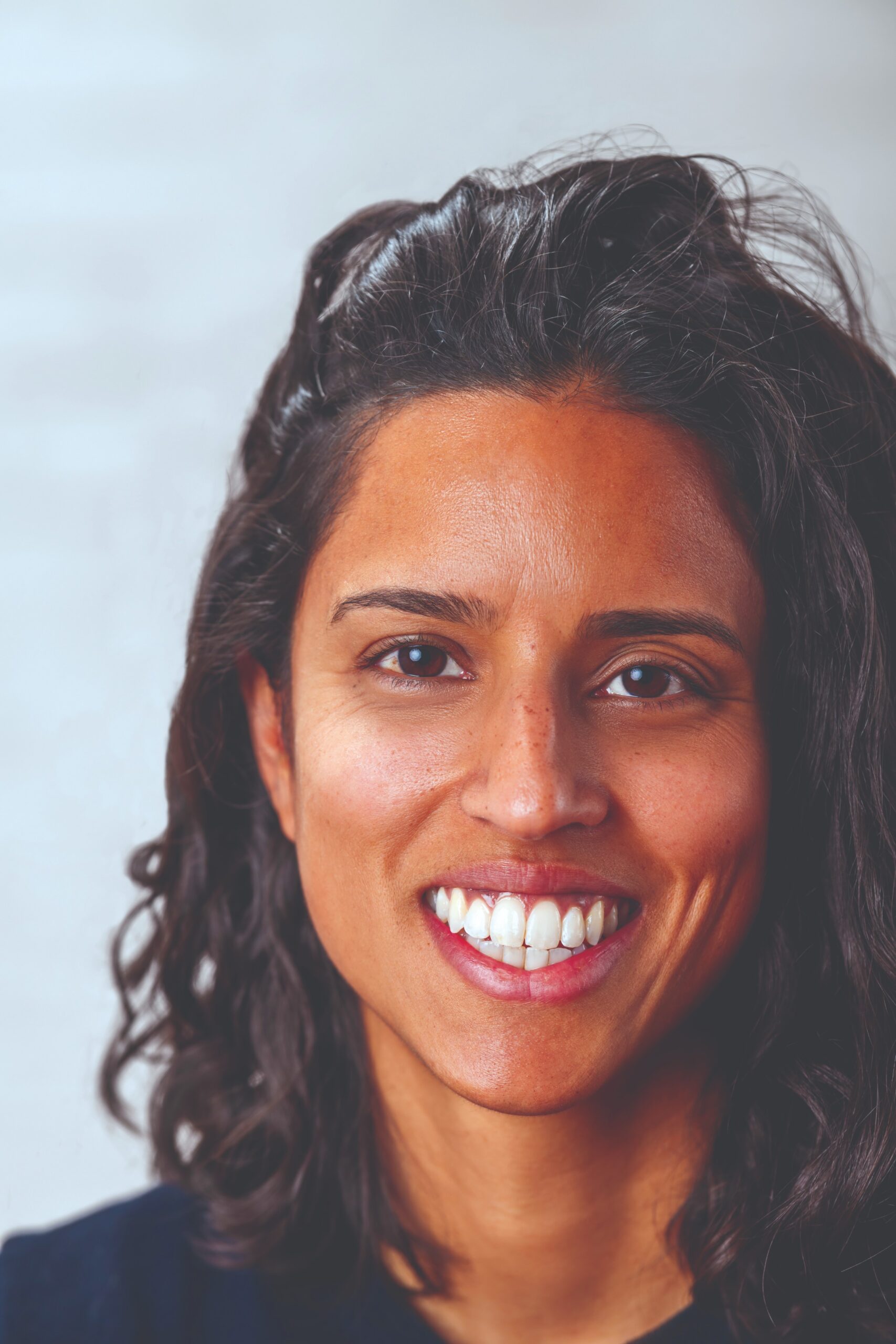
In this episode of Lo & Behold, I had the absolute pleasure of chatting with Meenal Lele, the founder and CEO of Lil Mixins, who’s been at the forefront of making early allergen introduction straightforward and empowering for families. As a mom who’s navigated the wild world of food allergies with her own son, Meenal breaks down the latest research in a way that’s clear, reassuring, and totally relatable – perfect for expectant parents or those in the thick of those early months and years. We dove into the nerves around introducing allergens, why timing matters, and how simple tools like Lil Mixins’ powders can make it less daunting, all while tying in the bigger picture of gut health, barriers, and holistic wellness. If you’re prepping for solids or just want to feel more confident in these choices, this convo is a game-changer.
Helpful Timestamps:
- 01:23 Introducing Today’s Guest: Meenal from LilMix-Ins
- 02:56 Meenal’s Journey and Expertise
- 09:44 The Complexity of Allergies and Nutrition
- 14:43 Practical Tips for Allergen Introduction
- 23:09 Facing Parenting Fears
- 26:01 Understanding Allergies and Immune System
- 31:42 Global Allergy Trends
- 34:27 Introducing Allergens to Babies
- 39:11 Hope and Progress in Allergy Management
- 40:30 Final Thoughts and Resources
More from Meenal Lele:
Visit LilMixins.com and checkout her resources!
Grab her book: The Baby & The Biome
About your host:
🩺🤰🏻Lo Mansfield, MSN, RNC-OB, CLC is a registered nurse, mama of 4, and a birth, baby, and motherhood enthusiast. She is both the host of the Lo & Behold podcast and the founder of The Labor Mama.
For more education, support and “me too” from Lo, please visit her website and check out her online courses and digital guides for birth, breastfeeding, and postpartum/newborns. You can also follow @thelabormama and @loandbehold_thepodcast on Instagram and join her email list here.
For more pregnancy, birth, postpartum and motherhood conversation each week, be sure to subscribe to The Lo & Behold podcast on Apple Podcasts, Spotify, or wherever you prefer to listen!
👉🏼 A request: If this episode meant something to you, would you consider a 5 star rating and leaving us a review? Yes, we read them, and yes, they help keep L & B going! ♥️
Connect with Lo more on: INSTAGRAM | TIK TOK | PINTEREST | FACEBOOK
Disclaimer
Opinions shared by guests of this show are their own, and do not always reflect those of The Labor Mama platform. Additionally, the information you hear on this podcast or that you receive via any linked resources should not be considered medical advice. Please see our full disclaimer here.
Additionally, we may make a small commission from some of the links shared with you. Please know, this comes at no additional cost to you, supports our small biz, and is a way for us to share brands and products with you that we genuinely love.
Produced and Edited by Vaden Podcast Services
Transcript
Motherhood is all consuming.
Speaker:Having babies, nursing, feeling the fear of loving someone that much, and there's this baby on your chest, and boom, your entire life has changed.
:It's a privilege of being your child's safest space and watching your heart walk around outside of your body.
:The truth is.
:I can be having the best time being a mom one minute, and then the next, I'm questioning all my life choices.
Speaker:I'm Lo Mansfield, your host of the Lo and Behold podcast, mama of four Littles, former labor and postpartum RN, CLC, and your new best friend in the messy middle space of all the choices you are making in pregnancy, birth, and motherhood.
Speaker:If there is one thing I know after years of delivering babies at the bedside and then having, and now raising those four of my own, it is that there is no such thing as a best way to do any of this.
Speaker:And we're leaning into that truth here with the mix of real life and what the textbook says, expert Insights and practical applications.
Speaker:Each week we're making our way towards stories that we participate in, stories that we are honest about, and stories that are ours.
Speaker:This is the lo and behold podcast.
Lo:Today's guest, Meenal from Little Mix-Ins is going to speak to what I think is kind of the heart of one of the earlier kind of fears or anxious situations that a lot of parents go through, and that is allergen introduction.
Lo:I think so many of us have questions about this when it's time to start introducing allergens to our kids, we are kind of asking ourselves the questions of like.
Lo:Is this gonna be okay?
Lo:Are they gonna be okay?
Lo:Are they gonna be allergic?
Lo:Should I be doing this now?
Lo:Is this the right thing to do?
Lo:Is this the right way to do it?
Lo:We just, we want a good outcome here, right?
Lo:Like we would choose to have kiddos who don't have allergens and certainly not significant ones and anaphylactic ones and all of that.
Lo:And so ultimately, I think this can just be a nerve wracking conversation, but Meel is here today and she's just gonna kinda walk us through current evidence and research on.
Lo:I'm gonna say quote unquote, right ways to do this, how you can do this, and just to approach it really practically and really logically and with a lot of education around what is out there right now and what is true and how you can do this best as a parent.
Lo:I am really excited to put today's guest in front of you guys today.
Lo:I have menal with me from.
Lo:Little mix-ins and a whole lot of other things that she does.
Lo:I'll let her introduce herself and explain, but I will say, I asked my husband last night like, what are some things you would ask Menal?
Lo:And he had a good little list of things that I hope that we are gonna get into today.
Lo:I know we're gonna get into today.
Lo:So I think everything that Kelvin had to say or had.
Lo:Questions or concerns about is something that's gonna be super relevant for all of you guys too, that this should feel really applicable if you are a parent, just like he and I kind of navigating raising your little kids.
Lo:So Mino, why don't you go ahead, introduce yourself more, tell us more of what you do, not just the little mix instead I mentioned, and we can go from there.
Meenal:Sure.
Meenal:Hey, again, my name is Al. Nice to meet you all and thank you so much for having me.
Meenal:Yeah, like, I guess like you and like everybody else.
Meenal:I mean, first and foremost, I'm a parent just trying to figure their way out through, through this magical journey.
Meenal:And, I, you know, I run this company called Little Mix-Ins.
Meenal:We can get into it, but it really got, it was inspired when my son, developed a whole bunch of food allergies.
Meenal:And so I run that company and I've sort of been in the healthcare entrepreneurship space for, you know, 20 years.
Meenal:But I, I, I love a good rabbit hole as I like to say.
Meenal:So I, I did, write a book 'cause I kind of wanted to summarize, everything that my, my family went through for about 10 years because I don't like when people reinvent the wheel.
Meenal:And so it's called the Baby and the Biome.
Meenal:So I have that book is out and our company is really focused on this.
Meenal:Kind of bigger picture, right?
Meenal:Because I think we're seeing this everywhere, right?
Meenal:It's all over the news constantly.
Meenal:Like we have approached medicine in these, very discreet ways, like kind of being like, oh, what if I do this intervention and that intervention?
Meenal:But I think everyone's really understanding more and more that we have to move to a more holistic understanding.
Meenal:'cause we're, we're not, we're past the sort of, this, this particular virus caused this disease, right?
Meenal:Like most of us are sick from a kind of a more global issue.
Meenal:And so, than what the company does.
Meenal:And, and a, a lot of my thinking also is kind of how do we fix the system, if you will, or how do we approach this more holistically?
Meenal:So that keeps me busy.
Lo:Yeah.
Lo:I love it.
Lo:It's funny to me that we ever got to a place where we like almost forget that we're just so multifaceted and have like a lot of moving parts and pieces.
Lo:Like A plus B equals C in the human body is just kind of ridiculous to me.
Lo:Right?
Lo:Like that can be part of it.
Lo:But then there's these other like, I don't wanna say equations and sound, so like mathematical, but there's this, there's this multiple moving parts all the time.
Lo:And I know like in the birth world as well, that's why we can't just be like, mm-hmm learn the stages of labor and you're good to go.
Lo:Like there's so much more going on mm-hmm.
Lo:Than just understanding like one part of birth.
Lo:And so I think it's, it is funny to me that.
Lo:Sometimes there's this big pushback against like this more kind of holistic, like bigger picture combining approaches type approach because aren't we like so uniquely individual as are these little babies that I mean we're gonna get into like from the moment they're born too.
Lo:It's just, yeah, I guess that's just the statement of agree agreeing with you two of like, obviously this needs a little bit.
Lo:Of a bigger, a bigger look.
Lo:We can't just like mm-hmm.
Lo:Prescribe one thing, do one thing, get the result we want, and be like, perfect.
Lo:Check the box and let's move on.
Lo:So, love that conversation.
Lo:It'd be kind of great if we could Right?
Lo:It would, I just, I mean,
Meenal:not to, not to get all too, too all like metaphysical on you here, but just sort of the, I mean worth like going back to that, right.
Meenal:I just.
Meenal:Every single time I think anyone has kid and anyone says they're pregnant.
Meenal:Just the idea that you can produce another human being like that doesn't make any sense.
Meenal:That every time I watch my kids growing and I'm always like shocked that one arm doesn't grow faster than the other.
Meenal:Like how does that happen?
Meenal:Like it's just is.
Meenal:So you would think that would, right?
Meenal:And and, but we're seeing this through every kind of science, which is we wanted to break everything down and think we could just keep.
Meenal:Atomizing into smaller and smaller problems until it was something easy.
Meenal:And then you get so small and then physics is like, it's crazy out there in the quantum realm, you know?
Meenal:So, I don't know.
Meenal:Nothing, nothing works the way we thought it did for the last 20 years, so I guess it's good.
Meenal:Good to stay humble.
Lo:I do think being parents like really blows the door open on that conversation too.
Lo:Mm-hmm.
Lo:Like, like you're saying, to watch a literal human grow and develop in front of your eyes is the most incredible thing and the most mind blowing thing.
Lo:Yeah.
Lo:We can forget how incredible it is 'cause it's happening all around us, every single day, all across the planet, which is amazing.
Lo:But I do think it just opens your eyes.
Lo:You know, if you want, I don't wanna say if you want your eyes to be open, but Yeah.
Lo:If you're paying attention mm-hmm.
Lo:It is pretty phenomenal.
Lo:And I think this little, these littler years, which obviously a lot of your work is involved in, like moving babies through these little years and some of the stuff that is going on in their bodies.
Lo:I do think those, those tiny years, when so much is going on is just one of those times where you're like, you cannot ignore that.
Lo:There's so.
Lo:Many cool things happening all at once.
Lo:I know you mentioned that you had a child who kind of opened the door for this for you.
Lo:Do you wanna kind of elaborate on that a little more, or kind of more of like, this was going on and this is what I wa was going through as a parent, and so now we can get into what else you do because of that situation?
Meenal:Sure.
Meenal:I mean, on the one hand, you know, like I read all the books, we did all the things, like everything was really, by the book, the pregnancy was straightforward and healthy and so was the delivery and everything else.
Meenal:And yet, you know, when, when my son was little, I wouldn't say that we had any, a normal amount of challenges.
Meenal:Right?
Meenal:Like maybe he was a little bit colicky at this point in that and yeah, like that was all there.
Meenal:But I think ever.
Meenal:Most people have something happen, right?
Meenal:Nothing.
Meenal:Nothing.
Meenal:That definitely not our pediatricians and or anyone else felt like, wow, this is way outside the realm in any case.
Meenal:But, so I bring that all up to say when he started.
Meenal:When he was first diagnosed with his food allergies and then eventually, you know, his eczema and asthma, or it was eczema, food allergies, asthma.
Meenal:But in any case, all of that stuff, it was like this, we just couldn't figure out.
Meenal:It was like we were on a highway and we took a wrong turn and, but no one could tell us when we took the wrong turn or what the wrong turn was, you know?
Meenal:And so that's really when things started spinning outta control.
Meenal:I mean, the, it was after, it was really after he.
Meenal:I don't know why.
Meenal:Something about the asthma really upset me more than anything else.
Meenal:And maybe it's 'cause like being a kid of the eighties, kids with asthma got picked on so much, that was kinda like you were the butt of a joke, you know?
Meenal:But it was after that that I sort of really started being like, well, what is going on here and how come.
Meenal:And I think one of the most upsetting things was if you look in the literature at that point, it starts to tell you that, hey, all these diseases are related.
Meenal:They're actually the same disease.
Meenal:And so if you have one, your propensity to develop the next one is really, really high.
Meenal:And so if anyone should intervene, you know, if you have eczema, that's the person who should intervene more than anything.
Meenal:And I'm like, well, why wasn't anyone telling me this stuff?
Meenal:Right?
Meenal:Well, why is, why are the average person practicing medicine?
Meenal:So.
Meenal:20, 20 years behind where the literature is.
Meenal:So anyway, so yeah, I mean it's, that's, that, that was really kind of our personal story through that.
Meenal:And, and it, it is asthma, food allergy and eczema are actually all the same disease, really showing up in different body systems.
Meenal:I mean, I'm smoothing over a little bit there.
Meenal:Right.
Meenal:But fundamentally they can, the allergic ones are a dysfunction of a specific immune system.
Meenal:And so Yeah, like they're so related.
Meenal:Why?
Meenal:We could stop so many things if we just prevent one.
Lo:Do you feel like your work is related to allergens or nutrition or you can't separate the two?
Lo:Like if you're chatting with a parent about kind of choices and things, and obviously I'll get into more of like little mixings and and what you can offer to us too and how that helps, but do you feel like those two are separate things or it all is really tied together?
Meenal:A little bit of both.
Meenal:So I will say that obviously overall great nutrition is so important, right?
Meenal:And healthy nutrition can set the fundamental basis for a healthy body.
Meenal:So, and this is, this always comes up, right?
Meenal:Because little mix-ins is what, what the intervention that it's doing.
Meenal:I'm jumping ahead here a little bit.
Meenal:Sorry, go ahead.
Meenal:Yeah, no, please.
Meenal:Around early allergen introductions.
Meenal:So what these studies showed is that there is a, there is a developmental window, during which you can actively kind of train the infant's immune system to tolerate certain things.
Meenal:It, it's, and maybe it's like an early form of immunotherapy, pe we don't actually know why it works.
Meenal:It just very clearly does, like when you have one group do it and another group not do it, the group that did it does so much better, right?
Meenal:They have so much less, so many fewer food allergies, so much less disease burden.
Meenal:So we know that it works.
Meenal:Now that being said, like it's clearly not the single thing that changed in humanity, right?
Meenal:So it's not really answering the question, why do we have these allergies in the first place?
Meenal:And, and that question I think is a deeper one that's really about overall nutrition.
Meenal:Like why is the infant gut setting up differently?
Meenal:But in the case of allergies, I think one of the interesting things with the infants.
Meenal:Is that the only thing they're really eating for, broadly speaking, the first six months is maybe breast milk and formula, right?
Meenal:So they're not like we worry with adults right now.
Meenal:Oh, my diet is too high fat or too high sugar, or this or that, but this isn't happening with a baby, right?
Meenal:The mom, mom is controlling kind of, to a large extent what's in the breast milk and the formula.
Meenal:Companies are controlling on what's allowed to be in formula, right?
Meenal:So it's a pretty, if you were looking for a study, it's a, it's like controlled variables.
Meenal:And yet you're getting this complete diversity of outcome, right?
Meenal:So it's not exactly the nutrition, which tells you that it's something layered over that, right?
Meenal:Whether in, what they call the exposed zone, like the complete plethora of things that babies are exposed to, and one of the worst might be the antibiotics.
Meenal:Now I'm going down all these tangents just to say like, it's really complex.
Meenal:Now, once that immune system is sort of set up, like again, does it.
Meenal:Just like kind of me, I mentioned physics, but just like that, you know, everything moves to a place of like lower entropy.
Meenal:It wants to be in a, in a stable state.
Meenal:So the immune system and everything wants to be in a place of tolerance.
Meenal:And so I guess what decides from that setup.
Meenal:If you end up in a place of like your allergy, self resolving or other things can be really driven by your nutrition and how much your nutrition then keeps your body in a heightened inflammatory state, if you will, versus a
Meenal:simpler one.
Meenal:So you know what these babies are fed.
Meenal:I actually think early allergen introduction and little mixings is a little bit distinct from nutrition.
Meenal:And I talked about this, I, I've talked about this before, where there's kind of a diet as medicine, right?
Meenal:Where we think about holistically what do we eat.
Meenal:But in this particular case, I actually think this intervention is a little bit more linear.
Meenal:It's like.
Meenal:Folic acid in pregnancy has a very specific outcome or something.
Meenal:I mentioned to someone the other day, which was like, we know how to prevent scurvy in sailors, right?
Meenal:We give them food, lemons, citrus.
Meenal:And that is a ca classic case of like the food is the medicine.
Meenal:And I think in the case of early allergen introduction, the food is the medicine.
Meenal:It's not like a medicine.
Meenal:It literally is the medicine.
Lo:I love that it's, it's funny you brought up the word intervention and I think a lot of times intervention has this really negative connotation and so as parents, and this goes back to like pregnancy and birth too, I think it's valuable to understand that there is.
Lo:Interventions can be good things and right choices.
Lo:And this is gonna be true in your birth too.
Lo:It's, it's like, mm-hmm.
Lo:It's about understanding what the intervention is, what the impact is, should you choose it or not.
Lo:But like that they're not all inherently negative.
Lo:I just think often it's like, if we're intervening, then we're doing something we shouldn't be doing, or we're interrupting a system that, that, that is otherwise perfect.
Lo:And, and I don't know that I agree with that.
Lo:And so I think it's super valuable to, to just hear that word and go, okay.
Lo:Like.
Lo:To me, that's a word to, to pay attention to.
Lo:Like if someone suggests anything and is using the word intervention or similar vocabulary, like pay attention.
Lo:There's, there's probably some choice in here, some education involved, like, yes, but not to just immediately think no like that.
Lo:And, and in your instance and in in what you do.
Lo:I think like this is an intervention worthy of understanding and considering.
Lo:Introducing, which, why don't you keep going on what you actually do, but essentially it's like we're talking about introducing allergens to these babies and what is the right timing for that and how can we do that well with the goal of preventing allergies, asthma, et cetera, later on in life.
Lo:And so what it like, I know obviously a little mix since you guys can probably infer from the name.
Lo:It's essentially this, this idea that we can start introducing these things to our kids.
Lo:I'm gonna use the word right with air quotes, but on a right timing and an appropriate timing to hopefully help them later on in life.
Lo:So, Kelvin, last night I mentioned to you guys, he had some questions.
Lo:Mm-hmm.
Lo:And one of his basic ones was like, what is this right timing now for, for introducing allergens?
Lo:And maybe it depends on allergen and you can get into that.
Lo:We've had four kids I mentioned to you in the last eight, nine years.
Lo:And we feel like it's changed, right?
Lo:And then we were hearing like four months and six months and later, and I feel like maybe with my first people we're still saying like, you know, like later on, or it's certainly not like the first thing you do is introduce peanut.
Lo:You know, like, that wasn't coming at us.
Lo:And so what is this kind of timing?
Lo:How would you answer some of these timing questions based on what you know and what you do?
Lo:And like maybe what shifts have happened if someone were to be.
Lo:Like me and have started becoming a parent 10 years ago, and now they're having another baby, or they're still in it with a newer child.
Meenal:Sure.
Meenal:I think you, you said a few different things that I wanna step back and, and talk about this more from a framework perspective.
Meenal:Mm-hmm.
Meenal:Because to your point, when we get suspicious of interventions or we think about, sometimes it's because we're, we're using the wrong framework to think about it.
Meenal:And okay, so what's the right age?
Meenal:Right.
Meenal:Let's start there.
Meenal:The current guidance is that generally speaking, by the age of six months, every child should be introducing all of the allergens that their family consumes in their home.
Meenal:Now, by the age of six months, most children are also eating some amount of solids.
Meenal:So a different way of saying that is after a baby has started solids, all of the allergens should be part of their solid food diet, right?
Meenal:Is just as soon as you can eat foods, make sure you're eating all of the foods.
Meenal:Your parents are eating in their household or your, your culture is eating.
Meenal:Your people are eating.
Meenal:Right.
Meenal:So for example, my family is from India.
Meenal:My husband's is not.
Meenal:In Indian cooking, there's a lot of cashews, right?
Meenal:So we might prioritize cashews, whereas, you know, and less so walnuts, which are less common in Indian food.
Meenal:Right?
Meenal:So whereas maybe his a different culture might prioritize almonds or something else.
Meenal:Peanuts, obviously everyone in the United States, everyone should prioritize peanuts.
Meenal:We eat a lot of peanuts.
Meenal:So I, I sometimes I think the easiest way to think about this, 'cause again, focusing on age, you know, with babies is so all over the place.
Meenal:Like some babies start walking at eight months, nine months old.
Meenal:And my kid, one of my sons didn't start walking practically until 18 months.
Meenal:Like he was just like a big boy.
Meenal:Like his real heavy, his legs could not take it, you know?
Meenal:And, you know, giant head needs, is all, all over the place and.
Meenal:And so, but like pegging it to a month of would make no sense.
Meenal:You know what I mean?
Meenal:Just doing something at nine months.
Meenal:So, so for example, for us, you know, if he didn't start crawling even until closer to 12 months, well there was no point in putting up the baby gates.
Meenal:Right?
Meenal:So, so it's not about the age, it's about like, where are they developmentally, and that could be different if the baby's a preemie or if they're a little bit late or they're just, you know, one of, I have two kids and one of them, you know, by six, four months was just like begging for food.
Meenal:And and my, I remember my cousins being like, dang, he can put away a lot of food.
Meenal:Like he was small but he could just house food.
Meenal:And the other one, like the other one is like 10 and still barely eats meals the size.
Meenal:My younger one was eating at six months old, you know, so I don't know.
Meenal:But they're the same size, so mystery.
Meenal:Right.
Meenal:My point is like, you can't, you know, really think of it that it's, oh, we want these numbers and everything.
Meenal:So anyway, most babies will start eating solid sometime between four and six months.
Meenal:And so what happens is the immune system, right, is this huge shift is happening from a full breast milk diet to a food diet.
Meenal:It's trying to figure out what things are safe and what things are not safe, right?
Meenal:So very simplistically, the baby's crawling and shoving stuff in their mouth.
Meenal:Now, which ones should I throw up?
Meenal:And which ones should I keep down?
Meenal:And the way the body knows which ones to keep down is if the parent keeps feeding something to the kid, it's like, oh, I guess I'm gonna have to figure out how to tolerate this and keep it down.
Meenal:And so by adding the allergens into the diet right, then that's when you, your body's like, all right, this is stuff we're gonna keep down and not throw up.
Meenal:Right?
Meenal:But so how do you do that now?
Meenal:It just, again, it depends on the family.
Meenal:I personally think that.
Meenal:You know, personally, like interestingly with my older son, we didn't really even use baby food.
Meenal:We just made it a point to take anything we were eating for breakfast, lunch or dinner.
Meenal:Throw it into like a little, you know, we had a little, tiny blender, magic bullet and, and that's what he ate.
Meenal:But we were avoiding all the allergens 'cause they, they told us to.
Lo:I know.
Lo:Same with me.
Lo:How old is your oldest?
Lo:Can I ask that?
Lo:Is that okay?
Lo:12. Did you say 10?
Lo:12, right.
Lo:12. So I guess my oldest, she turned nine recently.
Lo:So maybe more like your second.
Lo:Mm-hmm.
Lo:But it was still kind of like this avoidance, avoidance, avoidance.
Lo:So I've just seen.
Lo:Such a shift in just my beginning having kids, and then just recently, more recently having my fourth one.
Lo:Yeah.
Lo:Anyway, right?
Lo:Keep going.
Meenal:No.
Meenal:So, so, but if that's like, and if you don't, you know, you wanna get more peanut in the dry and they're not eating it.
Meenal:So my point is that real foods can work as long as they're safe and developmentally appropriate for the child, right?
Meenal:So no whole peanuts, no whole nuts, no chunky nuts, all this sort of stuff.
Meenal:It's completely blended.
Meenal:So what little Mixings is trying to do is just say, okay, well how can we make sure that that's easy for parents?
Meenal:So we take all of the nuts and eggs and everything, prepare them correctly, then they're dehydrated, basically, and ground so that you can't choke a baby.
Meenal:You can give them the right amount of protein.
Meenal:You want them to get about two grams of protein in the sitting, you know, or at least per week.
Meenal:And so how do you know how much that is?
Meenal:So if you can take away all the thinking.
Meenal:And you can toss it into baby food.
Meenal:So if you're using food from the grocery store, 'cause it doesn't have any allergens in it, you can toss this stuff into it, mix it up, feed it to the baby, whatever.
Meenal:Now by 10 months old, most children, kids now handle peanut butter on toast or, or on crackers or something.
Meenal:Right?
Meenal:And so, so maybe that at that stage you can move on to nut butters and other things.
Meenal:And I think at any age a child should be eating the food that they're most capable of eating.
Meenal:Because we want their jaws to come in strong.
Meenal:We want their teeth to grow and we want all these other things to happen too, right?
Meenal:Food is not just about and participate in the table.
Meenal:Like it matters to a kid that they're eating the same thing as mom and dad.
Meenal:They can, they look at your plate, right?
Meenal:So the more closer their food is to yours, the happier they are too.
Lo:I'm sure you're aware of baby led weaning and this idea that like they eat what they eat, which is essentially what I did with all of my kids.
Lo:And so allergen introduction, whenever it was happening, depending on which baby, was often like.
Lo:The actual food being put in front of them.
Lo:But with my fourth baby, I found that like my desire to introduce things like earlier based on kind of what you're saying now, like right away.
Lo:So then it was like, how do I like stir in peanut butter into Greek yogurt?
Lo:You know, like getting some, some ways to mix things in because yes, it was like here two on this broccoli we're eating for dinner and we were doing that baby led weaning, but we were also trying to like.
Lo:Get these allergens in, in a really easy way.
Lo:'Cause, you know, so our
Meenal:powders, the nice thing about them is that, like, to your point, right, if you're giving the baby steamed broccoli, you can just kind of roll it in an almond powder and now the baby's eating almond and broccoli at the same time, right?
Meenal:So it doesn't have to be something super, super complex.
Meenal:But it's an, it's an easy way to get at it.
Meenal:And again, I mentioned before about.
Meenal:The kids who have the highest risk of food allergy are those who are showing signs of eczema, because that body system tends to mature first.
Meenal:Your skin tends to mature first as an immune, it's your external barrier, right?
Meenal:It's your, it's your moat of your city, and so it matures first.
Meenal:And so those children who are exhibiting eczema have the highest risk of food allergy.
Meenal:So for those children, I think getting the every allergen in, in a schedule, if you will, is more important.
Meenal:Then for a child who maybe has no signs of anything and for that kid, maybe to your point about baby led weaning, it can be a little bit more,
Meenal:i'm trying to think of a better word than natural.
Meenal:But natural.
Meenal:Mm-hmm.
Lo:So what would you say?
Lo:I just think a lot of parents are so nervous about all of this.
Lo:Mm-hmm.
Lo:And so, obviously, you know, little mixings is a product that is available to help make it easier, but what would you say about the nerves?
Lo:Right.
Lo:Or like, I am so scared to stir this nut butter into their.
Lo:Oatmeal or whatever, like how do you speak to that?
Lo:That maybe is more of like a mom to mom type conversation, but, but what would you say in that convo?
Meenal:I think it's girl, it's one of the first of many times as a parent and you're going to be scared to do the thing that you absolutely need to do for them, right?
Meenal:The first time they crossed the street.
Meenal:The first time they get on a bus to school alone.
Meenal:Right.
Meenal:And I'm not trying to be flippant about this, but we know that early allergen introduction is definitively better for the kid than not.
Meenal:It is dramatically reduces the risk of allergy and life is all of those things, right?
Meenal:I want my kid to.
Meenal:Play on those monkey bars because net net, that's better for him.
Meenal:But is it terrifying when he's up there and could fall?
Meenal:Absolutely.
Meenal:You know, so I, I just think, yes, there are nerves and you kind of have to trust yourself as a parent and know that there, you know, we're big studies done, but everything about good parenting is just a long series of.
Meenal:Being really uncomfortable with making things right.
Meenal:Am am I right?
Meenal:Do you feel the same?
Meenal:Yes.
Meenal:Hundred percent.
Lo:Oh yeah.
Lo:Absolutely.
Lo:That's why, you know, as soon as I asked that, I'm like, this is a mom to mom type question and not like, yeah, don't be a professional.
Lo:It's just the, yeah, I mean, I, I have a friend who, her first daughter had, a peanut allergy, right?
Lo:And so with child number two and three, she was like, I do not wanna introduce this stuff.
Lo:And I remember saying, you know, like.
Lo:The, in my, you know, in my video, the earlier the better though.
Lo:Like the be Yeah.
Lo:Like you should, and I know some people kind of sometimes have things worked out with pediatricians where they do it with them or, you know, there's, there's sure.
Lo:Sometimes more to that conversation.
Lo:But I do think, yeah.
Lo:It is this thing that just makes us feel really nervous.
Lo:And it is one of those choices where it's like, but usually the, the best thing right now is to like push right past that.
Lo:If you wanna give your kid the best thing.
Lo:Mm-hmm.
Lo:And, and do it.
Lo:And so yeah, it, but you're a hundred percent right.
Lo:It's one of those many things where it's like, this is good for you and I'm gonna choose it even though I feel nervous, I feel scared, I feel anxious, whatever.
Lo:And yes, watching my kids on the monkey bars, by the way, my two older girls, I did the same things and I still look at them and I'm like.
Lo:You are gonna break your wrist, your ankles are gonna get caught.
Lo:You know how they hook their legs around things and spin and you're like, oh yeah, how did we not all break our ankles?
Lo:Which we don't need to talk about that, but it is so funny to watch them and think like, oh my gosh, I do not want you doing that right now.
Lo:And my mom like added it too.
Lo:And here we are and we're okay.
Lo:So yeah, it's just as sweet.
Lo:And
Meenal:then, but also like you have to remember that they will.
Meenal:How will they ever learn to trust themselves?
Meenal:Right.
Meenal:And I know that's more of a monkey bar conversation, but again, I just think all of parenting is just this long series of sitting with your own fears in the interest of this other being.
Lo:Absolutely.
Lo:No, a hundred percent.
Lo:Okay.
Lo:I wanna, I'm going to deviate us a little bit, or not full deviation, but we chatted a little bit right before we started about.
Lo:Kind of like where this allergen conversation is going or how did we get here?
Lo:And you kind of hinted at that a little bit of like, which by the way, that idea that we all get breast milk and formula, yet we still have these really different outcomes, is kind of really wild to think about.
Lo:I don't know that my brain has really thought through that of like, we're getting the same thing.
Lo:So obviously there's more inputs.
Lo:It's really wild.
Lo:It's not the food.
Lo:Yeah.
Lo:But when I was talking to Kelvin again about chatting with you last night, one of the things he brought up was.
Lo:Like, do allergies change?
Lo:What is this about?
Lo:Like why do kids not have them and then have them?
Lo:Or can you end up not having one when you had one earlier?
Lo:So what kinda like insights, I guess, would you have on, on that kind of progression through life or, or does this stuff change?
Lo:Is it stagnant and always true?
Meenal:So, so tell me if I'm going too deep on any of this stuff.
Meenal:Okay.
Meenal:Okay.
Meenal:I try to go over all this in this, in this book, the Baby and the Biome.
Meenal:'cause it is a little bit complex and it, but it, it requires us to, again, use a different framework maybe than the way we think about illness and disease.
Meenal:Right?
Meenal:So what, what is an allergy?
Meenal:Okay, so an allergy is when your immune system has created antibodies against a food fine.
Meenal:And that antibody then tells your immune system anytime it sees this food specifically, more specifically the proteins of this food, you know, flip out.
Meenal:Okay, but that's not the right question right there, or that's not the right thing to focus on.
Meenal:The focus is like, why did that happen in the first place?
Meenal:Because that gets to eventually, like, can it change over time?
Meenal:Right?
Meenal:So, so why, and it's, it's complex.
Meenal:I will say, but, so one of the things.
Meenal:There's this, basically this greater idea of what's called the barrier hypothesis.
Meenal:Okay?
Meenal:So our allergies, are part of our type two or our TH two immune system, which is traditionally or.
Meenal:Evolutionarily, maybe I'll say that.
Meenal:Designed to deal with parasites.
Meenal:So now we, okay, so we have to think about a parasite.
Meenal:What is a parasite?
Meenal:Think about, try and picture like a hookworm.
Meenal:So you have your barrier and a hookworm penetrates through the barrier and gets into your gut and, you know, lives its happy life.
Meenal:And that's disgusting.
Meenal:Sorry.
Meenal:But
Lo:yes it
Meenal:is.
Meenal:Yes.
Meenal:Okay, but, but this is the thing your body doesn't want is the hookworm.
Meenal:Right?
Meenal:Okay.
Meenal:So, but the, a key characteristic of the hookworm is that it penetrates through one of the barriers of your body and we have three barriers really.
Meenal:We have our skin, which is an external barrier.
Meenal:We have our gut, which is actually a hollow tube all the way through us.
Meenal:And our third barrier is our lungs because it's like a balloon, right?
Meenal:There's the mouth and then the air can come into our lungs and then it has to go back out.
Meenal:But the rest of our body is the inside of our body, but the inside of our lungs, the inside of our gut is actually outside of our body.
Meenal:And so, anytime anything is penetrating.
Meenal:That barrier.
Meenal:So whether it's through the skin, the gut, the lungs, your immune system gets upset about this.
Meenal:Okay, so one more layer back.
Meenal:Why are things, what things penetrate, can penetrate and kind of confuse our immune system?
Meenal:Well, we know that chemicals we encounter in the environment can actually deteriorate our skin.
Meenal:Our skin barrier and so can cause a penetration of the barrier.
Meenal:So they talk about, detergents in our washing, our clothes wash, you know, like, sodium lal sulfates will weaken the barrier in our gut when we cha, and this is also true of our skin changes in our microbiome that actually create almost like, I call it like barnacles on a ship.
Meenal:You know, they create a second layer or they create this mucus layer.
Meenal:So we change our microbiome.
Meenal:It changes the thickness of our gut and ability of things to penetrate it.
Meenal:And last thing is our lungs.
Meenal:So particles that are less than 2.5 nanometers, air pollution, these sorts of things can penetrate through our lungs because it wasn't designed for that.
Meenal:Now, whenever things are penetrating our barriers, our immune system starts to freak out and it goes into overdrive mode and it starts to.
Meenal:Misattribute, which things are the threat and which things are not.
Meenal:So imagine we have a, you know, a wall around our city.
Meenal:Somebody puts a hole in the wall and we're worried about the warriors from the other community right coming through.
Meenal:But also a rabbit comes through and imagine for our immune system is like, ah, rabbits, no terrible, right?
Meenal:So, which is, it doesn't matter if the rabbits come through, but it would be upset about anything coming through.
Meenal:So I say all of that to tell you that.
Meenal:We know fundamentally, the reason people are developing allergies later in life is because their lung barrier, their skin barrier and their gut barrier are being compromised by various different things.
Meenal:Now, similarly, you can resolve an allergy by strengthening those barriers, changes in all those things can change.
Meenal:And over time, if your barriers become impermeable, that's not quite right, but you know, stronger maybe.
Meenal:Your immune system has a place to calm down and let go of its fear of rabbits, right?
Meenal:So yes, people can get worse over time or develop new allergies, and yes, people can get better over time.
Meenal:In general, once you have the allergy, you not only have to kind of strengthen the barriers, but you also have to independently deal with the thing the immune system is upset about.
Meenal:So you have to train it.
Meenal:To stop freaking out about, you know, the peanut or the almond or whatever.
Meenal:But yeah, that's actually, that's sort of the broad understanding of why today 50% of the 33 million Americans who have food allergies develop them as adults.
Lo:Uh, is wild.
Lo:I did not know that.
Lo:Okay.
Lo:That leads me to another question that is, I just wanna know because my husband and I and our three of our kids, we got to live in the Netherlands for a couple years and.
Lo:I'm, this is me just saying, correct me if I'm wrong, but it felt like, mm-hmm.
Lo:Do we have more allergies in the United States?
Lo:Is this a geographical thing?
Lo:Is that just me making an assumption?
Lo:Like it felt like getting to live there and send our kids to school and be around all these other kids 'cause they got to go to school for the few years we were there.
Lo:Is that true?
Lo:Is that, is there any truth to that or is it just depend on where you live, different allergies?
Lo:'cause obviously our diets are different depending on culture, geography, stuff like that.
Lo:Is there, or, 'cause you just said like in the US but I'm assuming the, these, this research and stuff is being done across the world in a lot of different places.
Lo:Correct.
Lo:So does this look similar across the globe?
Meenal:It does.
Meenal:The, like rates of food allergy are really similar in Canada and the uk.
Meenal:Australian rates of food allergy are wild, but really high.
Meenal:Like high,
Lo:you're saying?
Meenal:Interesting.
Meenal:Much higher than ours.
Meenal:Yeah.
Meenal:Some countries in Europe are higher, some countries in Europe are lower.
Meenal:And they can be different.
Meenal:Like, I'm just trying to think.
Meenal:I, I was talking to.
Meenal:The European, like, the FDA, their regulator and they were saying, I can't remember what it was.
Meenal:It was like something somewhat obscure, like not hazelnut.
Meenal:It was something significantly more obscure to the, to us as Americans, but was a huge problem.
Meenal:I think it was in Spain and, and I can't remember what it was now, but, what the food was.
Meenal:I mean, I remember she was talking about this and everyone was like, what?
Meenal:They're allergic to that.
Meenal:But it was apparently like a big problem in Spain, so I, yeah.
Meenal:Okay.
Meenal:I don't know.
Lo:Cool.
Lo:I was just curious 'cause I've never like deep dive that topic at all, but I've always wondered because our kids went to an international school, right?
Lo:So there were like kids coming from everywhere and so it didn't quite feel like just.
Lo:The, you know, here in the US often it's like peanuts are such a big deal and, and, and peanut allergy is a thing everywhere.
Lo:I know it's not a UA US thing, but it felt more like this melting pot of food and culture and so it, it didn't feel like there was this one.
Lo:One kind of specific allergy conversation being had.
Lo:But I think maybe it's just 'cause Yeah, we were all from all over and so there's just different conversations and different food being eaten and yeah, it wasn't a one prevailing narrative.
Lo:I can't
Meenal:Specifically to that country.
Meenal:I'm, I'm trying to remember what I've read and I just don't remember off the top of my head.
Meenal:Like what, I mean, it was an international,
Lo:it was an international school too, so like, I'm thinking about it.
Lo:The, these kids were from, I, I can't remember the number.
Lo:There was like 52 different, countries represented and so it, I don't even know that.
Lo:It was a, a Dutch question for me of more just like, Hey, I'm getting a cool peek at global culture in our little kids in this classrooms.
Lo:And so it was just something I was, would randomly think about sometimes.
Lo:Anyway, that kind of took us off topic a little.
Lo:I do wanna go back to just like, kind of to wrap this I, let's pretend I am a parent of a three month old.
Lo:Let's assume I'm gonna say.
Lo:Quote unquote, like normal baby, just like we're not dealing with prematurity or anything else going on.
Lo:Just kiddo who's gonna introduce food and allergens soon.
Lo:What are some, like, what's kind of the simple, if you were to speak with this person, a simple kind of framework you would give them to say, Hey, over the next couple of months, typically, like these 12 foods.
Lo:You wanna introduce mm-hmm.
Lo:Around, you know, bored.
Lo:I know you that we've already talked about timing not being like by the book, but just like, what are some of those allergens?
Lo:Yeah.
Lo:What are they thinking about?
Lo:What's coming next for them in the next three to four months?
Meenal:Yeah.
Meenal:Okay.
Meenal:So we typically say like, I, I like to use this mnemonic of kind of 4, 3, 2, 1, where you're starting sometime after four months old, closer to than not.
Meenal:Some of the major allergens may be like the things you eat most in your house, maybe like peanut.
Meenal:You wanna introduce like, ideally up to like three times a week.
Meenal:Some of the other ones once a week is fine.
Meenal:You want each time that the baby eats it, you wanna have two grams of the protein in.
Meenal:So that's the four, the three times a week, two grams of protein, per serving.
Meenal:And that can change, right?
Meenal:So some foods are higher protein content.
Meenal:Than others.
Meenal:And then the last thing is kind of keep going until age one.
Meenal:Most.
Meenal:For most children, they're kind of immune system decisions, if you will, about what to freak out about and not are sort of set in by age one.
Meenal:So that's sort of 4, 3, 2, 1, you know?
Meenal:Now again, like if you, everyone in your family hates walnuts, kid's, never gonna see a walnut, you can deprioritize that relative to egg.
Meenal:But you know, the things that are in the American diet.
Meenal:So peanuts, eggs, we, a lot of almonds.
Meenal:And again, my family was cashew was more important.
Meenal:But your top nine allergens again are the peanuts, the eggs, wheat, soy, sesame, the tree nuts.
Meenal:Now, the one caveat on this is dairy.
Meenal:Which is an interesting one because they showed it's, it's a little bit wonky, and I think the reason it's wonky is because of the high levels of formula use, and most formulas are made from cow's milk.
Meenal:So babies are already getting exposure to the cow's milk.
Meenal:The key to the cow's milk seems to be whatever age you introduce it, whether that's two days old, two months old, you know, you start with yogurt.
Meenal:Once you introduce it, keep it in the diet.
Meenal:The worst thing you can do is like give the baby a week of formula at two weeks old and then pull it out of their diet and that for whatever reason seems to increase the risk that the kid develops an allergy.
Meenal:So once it's in the diet, keep it in the diet through H one.
Lo:That is very interesting.
Lo:I'm thinking about people who like use formula initially and then breastfeeding is going great, and they're like, no, I wanna be an exclusive breast feeder.
Lo:Like, yeah.
Lo:I'm telling you personally as a mom, I'd say, well, no, I'm not gonna keep giving them formula.
Lo:Like I, I, I know I'm doing it.
Lo:I'm making enough.
Lo:Like, so that it, what would you say to that?
Meenal:I'm not a doctor here, you know?
Meenal:Yeah.
Meenal:So, so, and I'm not anyone in particular's, doctor.
Meenal:I'm just saying what the studies have shown.
Meenal:There seems to be something about once it's in the diet, like it confuses the immune system for it to come in and out.
Meenal:But once it's in, keep it in.
Lo:What I like about that also as well, is some people.
Lo:End up pretty bummed that they have to continue to be like a combo feeder, but hey, look at this.
Lo:Like this shows that actually there's some value there in, in this part as well.
Lo:And mm-hmm.
Lo:Combo feeding is not something you need to be, upset about, but I just think that's kind of cool.
Lo:I don't know that that many people would look at it like that and like, Hey, here's a cool benefit of this as well.
Lo:So
Meenal:yeah, I like That's neat.
Meenal:And the exclusive breastfeeding, you know, again, like the longer out it goes, I would say the less it seems to have an impact.
Meenal:You know, on, the baby.
Meenal:But again, like I always, you know, there is a whole other topic, but most important things that the kid is fed.
Lo:Yep.
Lo:Yeah.
Lo:No, I like it.
Lo:Thanks.
Lo:That's cool.
Lo:Heard of it.
Lo:I, I, I didn't know some of that, some of that stuff, so that's great.
Lo:Yep.
Lo:Okay, real quick, I, I saw on your website, so I'm just personally curious, you have, like a pack that has 12 or nine in it.
Lo:Is that those nine you just mentioned?
Lo:What, you know what I'm talking about, the combo packs?
Lo:Mm-hmm.
Lo:Is that those primary nine for introducing those?
Lo:Yes.
Lo:And for parents to have that.
Lo:Okay.
Lo:Yes.
Lo:And then it's actually,
Meenal:A seven day pack or so.
Meenal:It goes through seven different allergens and so we don't do the fish shellfish.
Meenal:We also don't do dairy again because most people are already eating some kind of dairy.
Meenal:And then wheat is also like broadly in kid baby food.
Meenal:So we just don't want people to pay for stuff twice.
Lo:Yeah.
Lo:I appreciate that because babies are expensive.
Lo:True.
Lo:As everybody knows too, it's like, oh, great.
Lo:Here's another thing.
Lo:I also, my last thought here was just circling back to the idea of that none of this is permanent.
Lo:I like that.
Lo:'cause when you first said, we have these three things and, and if stuff starts getting through 'em, like, oh shoot.
Lo:But then you also did follow that up with, and also these things can be changed, right?
Lo:Like we can do mm-hmm.
Lo:Work throughout our life.
Lo:And I, I think I wanted to end there too, of like, that's a hopeful thing and it's a true thing that things don't always have to be the way they're like, you're like, oh, I'm just.
Lo:Screwed.
Lo:I'm just allergic to these tree nuts and, and this sucks or whatever, and maybe that will be true for your whole life, but that, that we can, continue to be proactive about it for ourselves or our kids.
Lo:So I think mm-hmm.
Lo:I think that's really kind of valuable and hopeful too.
Meenal:Yeah, absolutely.
Meenal:I mean, for whatever it's, you know, and I, I think this is, it was not a small amount of work, you know, always undoing damage can be a lot, but you know, with my son.
Meenal:We are in such a better place.
Meenal:Like his skin is his spine, his a asthma rarely flares he is, reversed some of his food allergies and is working on more.
Meenal:And most of that, all of that other stuff like through, was really just by working on overall gut health and skin health and what was in our environment and what you, you know, these sorts of things.
Meenal:So there's a lot.
Meenal:A lot of hope.
Lo:I love that.
Lo:Yeah, I like ending right there.
Lo:I think that's perfect to circle back around.
Lo:And stop there.
Lo:I do ask everyone two things at the end.
Lo:So first, just like, where could we find you?
Lo:Be that on social media.
Lo:Share your website for us one more time.
Lo:Your book.
Lo:I'm assuming all of this might be able to be found in one place.
Lo:So share that for us really quick.
Lo:And then I want you to answer the question just one thing in your life right now that's just bringing you a ton of joy.
Meenal:Yeah, sure.
Meenal:So where can you find everything is, you know, little mix ins.com?
Meenal:The book is, I'm pretty sure, a link through there.
Meenal:And same, all the social and everything else.
Meenal:Honestly, i'm really happy about, Christmas.
Meenal:I know don't mean to date the episode, but yeah, like looking forward to this holiday.
Meenal:I think it's one of my favorite times of year and I just love the, the lights and the cheer that it brings everyone.
Meenal:And I just, every single year I look forward to it and, you know, I'm so, so endlessly thankful for all blessings in our lives and, I think.
Meenal:The holidays in particular, give you a chance to really sit down at one table and be like, wow, are we lucky?
Lo:I love that.
Lo:Thanks for sharing that.
Lo:I feel the same way over here too.
Lo:It's a, it's wild with four kids running around, but man, it's so sweet too.
Lo:So, so sweet.
Lo:It it's, yeah, it's really, really good.
Lo:Well, thank you so much for your time.
Lo:This was great.
Lo:I learned a lot, so I know everybody else did too.
Lo:I appreciate you'll have to ask Kelvin if he also
Meenal:learned something.
Meenal:I
Lo:will, I'll make him listen guys.
Lo:He doesn't always listen, but maybe I'll make him listen to this one.
Lo:Thank you so much.
Meenal:Thank you for having me.
Meenal:I really appreciate it.
:Thank you so much for listening to the Lo and Behold podcast.
:I hope there was something for you in today's episode that made you think, made you laugh or made you feel seen.
:For show notes and links to the resources, freebies, or discount codes mentioned in this episode, please head over to lo and behold podcast.com.
:If you aren't following along yet, make sure to tap, subscribe, or follow in your podcast app so we can keep hanging out together.
:And if you haven't heard it yet today, you're doing a really good job.
:A little reminder for you before you go, opinions shared by guests of this show are their own, and do not always reflect those of myself in the Labor Mama platform.
:Additionally, the information you hear on this podcast or that you receive via any linked resources should not be considered medical advice.
:Please see our full disclaimer at the link in your show notes.