



Join YBYB: www.thelabormama.com/birth & use the code PODCAST to save 20%
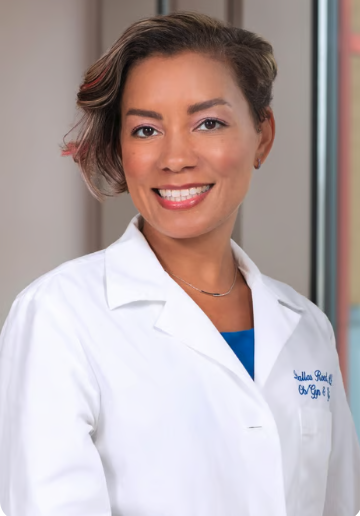
Today we’re discussing early pregnancy insights and genetic testing with Dr. Dallas Reed, Chief of Genetics and an OB-GYN at Tufts Medical Center. She is also a medical advisor for SneakPeak, an over-the-counter, at-home early gender test with over 99% accuracy at 6 weeks of pregnancy. Dr. Reed breaks down various genetic tests like NIPT, Sneak Peek, and Carrier Screening, explaining their purposes and how they can help expecting parents make informed decisions. This conversation also touches on common pregnancy myths and their lack of scientific backing. Whether you’re a planner or prefer fewer details, this episode provides clarity and reassurance for a smoother pregnancy journey.
Helpful Timestamps:
- 02:26 Welcoming Dr. Dallas Reed
- 02:30 Early Pregnancy: Navigating the Unknown
- 07:21 Understanding Genetic Testing
- 16:22 NIPT and Other Screening Tests
- 27:18 Navigating Prenatal Screenings
- 30:55 Empowering Parents with Knowledge
- 34:15 The Value of Genetic Testing
- 41:58 Fun Pregnancy Myths and Realities
- 48:06 Resources and Final Thoughts
More from today’s guest:
Visit SneakPeak.com and use promo code: LoBehold20
About your host:
🩺🤰🏻Lo Mansfield, MSN, RNC-OB, CLC is a registered nurse, mama of 4, and a birth, baby, and motherhood enthusiast. She is both the host of the Lo & Behold podcast and the founder of The Labor Mama.
For more education, support and “me too” from Lo, please visit her website and check out her online courses and digital guides for birth, breastfeeding, and postpartum/newborns. You can also follow @thelabormama and @loandbehold_thepodcast on Instagram and join her email list here.
For more pregnancy, birth, postpartum and motherhood conversation each week, be sure to subscribe to The Lo & Behold podcast on Apple Podcasts, Spotify, or wherever you prefer to listen!
👉🏼 A request: If this episode meant something to you, would you consider a 5 star rating and leaving us a review? Yes, we read them, and yes, they help keep L & B going! ♥️
Connect with Lo more on: INSTAGRAM | TIK TOK | PINTEREST | FACEBOOK
Disclaimer
Opinions shared by guests of this show are their own, and do not always reflect those of The Labor Mama platform. Additionally, the information you hear on this podcast or that you receive via any linked resources should not be considered medical advice. Please see our full disclaimer here.
Additionally, we may make a small commission from some of the links shared with you. Please know, this comes at no additional cost to you, supports our small biz, and is a way for us to share brands and products with you that we genuinely love.
Produced and Edited by Vaden Podcast Services
Transcript
25 hours of labor, six of those hours, persistent back labor, 72 minutes of pushing, and naturally zero hours of sleep.
Lo:But that baby hit her chest and she immediately looked up at me and said, I cannot wait to do that again.
Lo:Now, is that a perfect birth?
Lo:That's for her to decide, but that feeling, that love for all that she had just done and all that had just happened, you can find the same with me inside of my birth course.
Lo:Your body, your birth, created by a labor nurse who has seen it all, and a mama who has done it four times.
Lo:Why BYB has everything you need to understand what your body's actually doing, how to work with what your body's trying to do, and how to make decisions inside of that process that you feel really good about.
Lo:You can walk into your birth calm.
Lo:Excited.
Lo:And informed about every intervention and choice along the way, and you can walk outta your birth saying, I cannot wait to do that again.
Lo:To save 20% and get started today, head over to the labor mama.com/birth or use the link in your show notes and be sure to input the code podcast at checkout.
Lo:Motherhood is all consuming.
Lo:Having babies, nursing, feeling the fear of loving someone that much, and there's this baby on your chest, and boom, your entire life has changed.
Jenn:It's a privilege of being your child's safest space and watching your heart walk around outside of your body.
Amy:The truth is.
Amy:I can be having the best time being a mom one minute, and then the next, I'm questioning all my life choices.
Lo:I'm Lo Mansfield, your host of the Lo and Behold podcast, mama of four Littles, former labor and postpartum RN, CLC, and your new best friend in the messy middle space of all the choices you are making in pregnancy, birth, and motherhood.
Lo:If there is one thing I know after years of delivering babies at the bedside and then having, and now raising those four of my own, it is that there is no such thing as a best way to do any of this, and we're leaning into that truth here.
Lo:With the mix of real life and what the textbook says, expert Insights and Practical Applications.
Lo:Each week we're making our way towards stories that we participate in, stories that we are honest about, and stories that are ours.
Lo:This is the lo and Behold podcast.
Lo:Today's guest is so valuable for that.
Lo:Kind of those early pregnancy weeks and months when there is so much that we don't know, right.
Lo:And that we're just not sure of yet.
Lo:But we also wanna be so hopeful, right?
Lo:And not feel so anxious about all the things we don't know.
Lo:But we would like to know Dr.
Lo:Dallas Reed.
Lo:She's Chief of Genetics and an O-B-G-Y-N at Tufts Medical Center.
Lo:She also is a medical advisor for Sneak Peak, which is an over the counter at home early gender test that has over 99% accuracy.
Lo:At six weeks of pregnancy.
Lo:Now you guys know I never found out what I'm having, so I did not take this test and I cannot personally speak to having that knowledge, but she certainly can speak to all of these tests and screens and things that we can utilize to kind of know a little bit more when we first find out that we are expecting.
Lo:Dr. Reed brings nearly 15 years of clinical and academic experience rooted in OB GYN and genetics.
Lo:She has dedicated her career to helping expecting parents and expecting families navigate the complexities of pregnancy and all that comes over.
Lo:Those, you know, nine, 10 months that we are pregnant and waiting for these babies.
Lo:I am so excited to have today's guest in front of you guys today.
Lo:I have Dr. Dallas Reed here with me today.
Lo:I'm gonna ask her to go ahead and introduce herself a little bit and then jump into the conversation that we're gonna have.
Lo:Dr. Dallas: Great.
Lo:Thank you so much for having me.
Lo:So, like you said, I'm Dr. Dallas Reed.
Lo:I'm a double board certified OB, GYN and medical geneticist.
Lo:I, work clinically in both of those spaces.
Lo:So I do general obstetrics and then, genetics for.
Lo:Prenatal indications, pediatric, adult and cancer genetics.
Lo:I also do a lot of consulting with genetic testing companies, around their products and sort of how, to reach pa reach patients and consumers and doctors and midwives.
Lo:And, I am a mom of two, a 4-year-old and an almost two and a half year old.
Lo:So, my plate is very, very full, as I'm sure yours is.
Lo:It is,
Lo:yeah.
Lo:Have, have a baby.
Lo:A little one, probably right around the age of yours.
Lo:18 months, almost 18 months right now is my littlest, so.
Lo:Dr. Dallas: Mm-hmm.
Lo:I know how full your life is in different ways.
Lo:Yeah.
Lo:But yeah, now it's full and it's sassy.
Lo:There's a lot of sassiness going on in my house.
Lo:Well, my oldest is a almost 9-year-old girl, so we got some assassin in all, in all the ways.
Lo:I'll to talk to you about that later.
Lo:Yeah, yeah.
Lo:We can maybe do the off air.
Lo:It'd probably be a good podcast episode too.
Lo:I obviously was.
Lo:Looking into more of you.
Lo:I was laughing you guys before we started 'cause she is not all over TikTok and Instagram and all that, so don't expect to go find her dancing on TikTok.
Lo:You're not going to.
Lo:But you, I wanted to clarify.
Lo:You're still, you said you kind of work in two kind of clinical ways.
Lo:You're still delivering babies.
Lo:Yes.
Lo:And doing some of that.
Lo:I'll say like that, that hands-on with the patient work.
Lo:And then you're also doing your genetics work as well.
Lo:Yes.
Lo:I know you mentioned the
Lo:Dr. Dallas: cancer, things like that.
Lo:Right.
Lo:Which is also pretty hands-on.
Lo:So I'm like a hundred percent clinical with the work that I do at the hospital that I'm at.
Lo:But yeah, I get to do, I have a very cool job because I'm the only person in our hospital.
Lo:Ever that has had the opportunity to like counsel a couple before they get pregnant, take care of them during that pregnancy, deliver their baby, and if there happens to be a genetic condition going on, see that baby in the hospital and as an outpatient, like forever.
Lo:So that's a pretty cool job.
Lo:I get to kind of have that continuity across both spaces, which I really cherish and I really always remember is like a very special part of what I do.
Lo:And what a gift for a patient too.
Lo:I mean, this is like small scale, but I worked LDRP and so I love that I could maybe, like, we'd have an antepartum patient sometimes there for a couple weeks and then you deliver 'em and then you do their postpartum and then you send 'em home.
Lo:And even that, like I just got to spend two weeks with you, you know, a shift, three or four shifts a week or whatever.
Lo:But just that instead of just 12 hours to deliver you.
Lo:Yeah.
Lo:Obviously you have prenatal.
Lo:You know, you have a little bit more time than a nurse does with a patient when we deliver you and then go home from our shift.
Lo:But just that idea for the patient or the client too, of getting to see the same person inside of.
Lo:Really big scenario.
Lo:I mean, if we're, I'm assuming if we're talking about continued genetic care and follow up, like it's really nice for them to trust the person that's in front of 'em as they walk through that with their child.
Lo:So what a gift for them to get that over the years with you too.
Lo:Dr. Dallas: It also goes the other way.
Lo:Like I'll see a child.
Lo:Or somebody in a family with a genetic condition and then that, that couple gets pregnant and then I see them for their perfectly typical pregnancy.
Lo:There is no genetic condition, there's not a, you know, reason that I would continue to see them afterwards.
Lo:But yeah, that continuity of both sides of it I really like.
Lo:And you know, I'm really happy that I get to do both.
Lo:That's really special
Lo:I think,
Lo:Dr. Dallas: for
Lo:all of you, honestly.
Lo:Okay.
Lo:We are going to lean in today to all of your expertise in some of this like genetic early pregnancy stuff.
Lo:And, and I wanna, kind of frame the conversation for some of these bigger questions that a lot of us are at, or I'll say like more typical like questions and myths and things about not necessarily getting pregnant once we're pregnant, like.
Lo:The myth about boy, girl, some of that fun stuff that we all certainly walk through.
Lo:I mentioned as well, I wanted to kind of start with, just like some early pregnancy conversation of like, not necessarily what to expect.
Lo:In the like hour by hour, day by day, but just signs of pregnancy right?
Lo:Or things that might indicate we're pregnant.
Lo:Obviously testing plays into this really early, a little anecdote, but my fourth baby I got pregnant with while we lived in the Netherlands.
Lo:And so I had prenatal care in the Netherlands up to about 20 weeks of pregnancy before we moved back to the us.
Lo:It was an interesting experience.
Lo:'cause there're a lot, I would say a lot more hands off than the US in a lot of ways.
Lo:Less testing.
Lo:You know, they do all of the, the minimums, like the healthy standard minimums, but maybe not as much as we do here in the us.
Lo:They're not doing six week blood tests to find out if baby is boy or girl, things like that.
Lo:Mm-hmm.
Lo:And when I called in and I had taken like a, a traditional P test to find out if I was pregnant, I remember calling in like, Hey, I'm pregnant.
Lo:I think I was seven, seven-ish weeks or something when I called.
Lo:And they're like.
Lo:That's wonderful.
Lo:We'll see you around 10 to 12 weeks.
Lo:And I remember thinking like, but I'm pr like, don't we wanna confer?
Lo:Y you know, and their outlook is like, there's nothing you could do right now.
Lo:It's just like you already peed and if you're wrong, it's not that big of a deal.
Lo:I, you know, it was such a interesting thing.
Lo:'cause I remember going back to Cal, my husband and I was like.
Lo:They, they like don't wanna see me, like I just have to believe I'm pregnant.
Lo:Right.
Lo:Like, I peed on this thing.
Lo:And so I remember doing the kind of classic like, what are signs?
Lo:I'm pregnant.
Lo:Like I peed.
Lo:Right?
Lo:I see.
Lo:I can trust this HCGP stick in front of me.
Lo:But it was like, am I feeling pregnant?
Lo:Like this is so weird to think I'm pregnant.
Lo:Yeah.
Lo:But so far no one's really checked.
Lo:Confirmed that for me.
Lo:Yeah.
Lo:So what would you like, what are some maybe like.
Lo:Earlier signs of pregnancy, like if I were Googling, like, oh, you might be pregnant, including, yes, kind of the testing, the things available to us.
Lo:In those earlier, earlier weeks?
Lo:Dr. Dallas: Yeah, good question.
Lo:I mean, I think we talked a little bit about how there's so many tools and tests available now that you can find out a lot of things super early.
Lo:Like, you know, pregnancy tests are very accurate and you can, know that you're pregnant even before you missed your period.
Lo:So people that are really tracking and really trying, sometimes they have no symptoms.
Lo:They just are like hopeful.
Lo:And then they take a test and they find out.
Lo:But other symptoms that people talk about are things like breast tenderness or like larger breasts or, swelling of the breasts.
Lo:Obviously missing your period, of course.
Lo:Although there can be like spotting and like light bleeding at the beginning of pregnancies as well, which can be quite confusing for patients, especially if they do know that they're pregnant.
Lo:Some people may also just start to have like those food aversions, like maybe not necessarily nausea and vomiting right away, but.
Lo:Just like not, don't have an appetite or suddenly, you know, avoiding certain types of foods that they usually had no problem with.
Lo:You know, there can be skin changes in pregnancy and, you know, hair loss and those kinds of things, but they may not pop up right away.
Lo:And then the, we talked a little bit earlier about some people just know and like, I don't even think they can say how they know, but they've just done it enough times that they just are like, I feel different.
Lo:Kind of like admire those people.
Lo:They're so in touch with their body.
Lo:Like, I'm not that type of a person, but I have lots of patients that are like, I just know, like I. Feel different.
Lo:So I think that there, obviously there's a lot going on at the beginning of a pregnancy and throughout, I mean, your whole metabolism is changing and your, it's amazing all the things your body does to, to support a baby.
Lo:But, yeah, some people just know and, I mean, I can't tell them that they're wrong.
Lo:I believe them.
Lo:Yeah, absolutely.
Lo:It's interesting.
Lo:I like, again, those weeks of just like in theory I knew I was, but also that question of like, is baby okay?
Lo:Like, yeah, not to be too frank, but like are they still alive?
Lo:Right?
Lo:Yeah.
Lo:When you're in those weeks where loss is really common, and it's funny, I have a blog post about like early signs you might be pregnant and like it's a lot, basically everything you just went through there's this caveats like throughout it of, hey, all of these could mean you're pregnant.
Lo:The absence of them does not mean you are not pregnant.
Lo:Yeah.
Lo:And a lot of 'em are also signs of like your period coming.
Lo:Correct.
Lo:If we're talking about those really early weeks.
Lo:So it's just this like that knowingness, like what a gift.
Lo:If you really do have that intuitiveness, because there's really no clarity on the other side of that in all of this, except these actual tests and the blood tests and things we take because all of these things that you just walked through really can mean.
Lo:Yay, nay or nothing like it.
Lo:And so there's aside from, again, these blood tests and things that we'll get into more too, like there's a lot of just.
Lo:Awareness of your body and then just like holding hope right.
Lo:While we, while we get through those weeks.
Lo:'cause you can't really just say, oh, my boobs are getting bigger.
Lo:Like, I must still be pregnant.
Lo:Must be pregnant.
Lo:It just doesn't work.
Lo:Dr. Dallas: Yeah.
Lo:I, I talk to patients a lot about, you know, we do like a couple of ultrasounds early in pregnancy and there's a couple of tests that we do and, you know, when they're normal, that's great and reassuring.
Lo:And then you get into like the early part of the second trimester where.
Lo:You are not nauseous anymore.
Lo:You're not puking your brains out, but you can't feel the baby moving and you're like, is everything okay?
Lo:Like, it's such an anxiety provoking time and I sort of warn people at that, you know, early, those early appointments that there will come a time when you feel like a normal human being again, Andrew, you're not feeling the baby move.
Lo:It is, okay, this is normal.
Lo:Everything is okay.
Lo:And you know, once the baby starts moving, I think a lot of people, they're like, oh, okay.
Lo:Now I know.
Lo:And then, and then there's, I think pregnancy is full of these, like the grass is all always greener moments.
Lo:I tell my patients this all the time, like if you have a bunch of ultrasounds, you're sort of sick of having a lot of ultrasounds.
Lo:If you get no ultrasounds, you're sort of like, how come I don't get to see my baby anymore?
Lo:Like there's no middle ground.
Lo:And the same thing at the beginning, the.
Lo:You know, nausea and vomiting.
Lo:Some people are like reassured by that and some people are like worried that it means they're not pregnant or fetal movement.
Lo:Some people are like, oh my gosh, this baby moves all the time.
Lo:And then other people are like, I'm so reassured by the fetal movement.
Lo:Or my baby's not moving enough.
Lo:You know, so there's like no one's ever happy.
Lo:Everyone's always elated, but no one's ever happy.
Lo:You know what I mean?
Lo:Yeah, absolutely.
Lo:It's interesting to actually think about, I do think so many of us.
Lo:You know, we get to that 12 or 13 week point, or maybe we've seen him an ultrasound, heard the heartbeat a couple times, and, and as we should, I want you guys to hear like, as we should, we can, we breathe a little sigh of relief.
Lo:Like, okay, we've got through this point right where, where the majority of early losses are happening.
Lo:Right.
Lo:And so you should, you should breathe some relief there.
Lo:If you've been really anxious up to that point.
Lo:I don't want you to not feel that way.
Lo:Yeah.
Lo:But it is, we don't talk a ton about weeks like.
Lo:Let's say 12 to 20.
Lo:I know some people feel their babies earlier, but like where it is this distrust, they're like, all right, I hope everything's still going good in there.
Lo:'cause I have no sign.
Lo:Like a lot.
Lo:I'm sure some people listen to you say you're not puking and all that, and they're like, I'm still puking.
Lo:But yeah.
Lo:Yeah.
Lo:A lot of people, not everybody, a lot of people feel better all around with these conversations.
Lo:Seriously.
Lo:Yeah.
Lo:But a lot of people do, you know, you do feel better.
Lo:And so aside from maybe your pants, like not fitting so great anymore, like you just don't have.
Lo:Really.
Lo:Obvious signs that all as well.
Lo:And so there is like so much faith you have to hold as you kinda move towards those weeks where you do start to feel fetal movement and you have these other signs and it, it's not that first trimester we're talking about anymore.
Lo:It's that funky in between where you feel good.
Lo:Yeah.
Lo:And you just.
Lo:Yeah.
Lo:You know, you, you just assume all is well, and that's, that's how we want you approaching it, right?
Lo:Like to trust what's going on in there too.
Lo:Kind of a good
Lo:Dr. Dallas: Go ahead.
Lo:A lot of anxiety, right?
Lo:Like there's a lot of anxiety I think at baseline, especially, nowadays there's just so much information out there.
Lo:It's hard to know what is.
Lo:Right and not right, and what's, just somebody's personal experience, but what is like the typical experience?
Lo:So I really feel for patients, like they're overwhelmed with information and it almost feels a little bit unfair.
Lo:And it's adding to the anxiety.
Lo:And then people have had really awful stories, you know, like it's taken them a long time to get pregnant.
Lo:They've done IVFA million times and it hasn't worked, and finally it's working.
Lo:Or they've had pregnancy complications, or they've had traumatic births, you know, so I don't wanna discount.
Lo:Like the place for all of those feelings.
Lo:Like I do think that they are, they have a place, but we also would like to provide some reassurance in pregnancy when we can and make sure people know that like, this is what's normal and you know, this is what you should be feeling.
Lo:And, this is when you should call us if things are not going normal.
Lo:So.
Lo:You know, I think there's space for all of that, but overall, I, I want my patients to not feel so anxious about being pregnant and the pregnancy process.
Lo:So hopefully we can, you know, today we can provide some of that and hopefully I provide that as a doctor.
Lo:Yeah, well I was just saying that's perfect.
Lo:That's kind of like a good segue into, let's talk a little bit about some of the like early testing we can do.
Lo:And I was wondering if you could just get really clear with us too.
Lo:Even I sometimes am Googling again, like which one does what, but, 'cause now we have like.
Lo:The NIPT test.
Lo:Mm-hmm.
Lo:You know, you still hear quad screen, triple screen, like all these different blood tests and screens.
Lo:Some of pe some people are just mostly like, I wanna know gender of baby.
Lo:Yeah.
Lo:And they're trying to do the sex determination.
Lo:Other stuff, obviously, mostly this is actually for like genetic testing and things going on.
Lo:Mm-hmm.
Lo:So can you kind of explain some of those options that we do have?
Lo:Sure.
Lo:What those tests do.
Lo:I mean, I'm assuming most of us aren't going to do all of those.
Lo:We're gonna end up doing like one of them, maybe two.
Lo:I mean, lots of caveats in there, but go through some of that for us.
Lo:Dr. Dallas: Yeah, it sort of, depends.
Lo:So there's a couple of tests in pregnancy that we offer.
Lo:One is.
Lo:A fun one I think and fun, but also I think really helps people to start to bond with their pregnancy.
Lo:So that's the sneak peak test, which you alluded to a little bit.
Lo:So that's a early fetal sex test where you can do a test at home, a blood test at home, as early as six weeks of pregnancy.
Lo:So to your story, it's like you did just pee on the stick.
Lo:You do know that you're pregnant, you have not yet had your doctor's appointment 'cause they don't wanna see you for another month.
Lo:But you can find out the sex of the baby, which, I think for some people can be.
Lo:Really helpful, even if they end up having a miscarriage, which we know is relatively common.
Lo:I do think people still feel connected to that pregnancy and we, you know, a miscarriage is still a pregnancy and you have already thought about the whole life you're gonna have with that being.
Lo:And so I do think it's, it's nice to like have ways to bond with.
Lo:Ongoing pregnancies are ones that, that may not go on.
Lo:So Sneak Peek is available at, you know, Amazon, CVS, Walgreens, Walmart, and you can also sneak peek.com is a website, that has the testing that you can buy that and like walk into your doctor's office like already knowing something that I think a lot of people really wanna know about their pregnancies before it's, it's usually the first question people ask me, can you tell me the sex of the baby?
Lo:And I say, no, it's too early, but you can do sneak peek and then, and then you can find out.
Lo:So that one is a kind of a fun one, and it's not ordered by your doctor, so you can go get it on your own.
Lo:You don't need a prescription or anything from your doctor in the pregnancy.
Lo:There is a test, the NIPT test that you alluded to, so NIPT.
Lo:It goes by many names, but NIPT stands for Non-Invasive Prenatal Testing.
Lo:One of the products that, the company that makes Sneak Peak also makes a product called prequel.
Lo:Myriad Genetics is that company.
Lo:The test they make is called prequel, and it, allows you to do screening for the pregnancy for a couple of genetic conditions.
Lo:One is down syndrome, which is also called Trisomy 21, 2 other, chromosomal disorders.
Lo:One is called Trisomy 13 and one is called Trisomy 18.
Lo:And then, you have the option of doing some other things, and sometimes it depends on your doctor's office, but we can definitely look at the sex chromosomes.
Lo:The reason we're doing it.
Lo:The NIPT or the pre prequel setting is to look, to make sure there are two sex chromosomes.
Lo:So if you remember from biology, genetic females have two Xs, and genetic males have an X and a Y chromosome.
Lo:And so, but there are people that have one, one sex chromosome, or three or four sex chromosomes.
Lo:So those are all different conditions.
Lo:And so we're looking to see how many there are to, you know, understand a little bit more about the pregnancy.
Lo:There are other things you can do on, prequel, that your doctor can talk to you about, sort of like what other things they can offer.
Lo:But there are other, genetic conditions that sometimes can be tested for on that kind of a test.
Lo:So those are kind of the two you would do definitely in pregnancy.
Lo:There's also a test called carrier screening, which, is one that you might just need to do one time, like through your reproductive years, depending on what has looked at and carrier screening.
Lo:Myriad's product is called Foresight Carrier Screening.
Lo:It looks to see if you and or your partner are what we call carriers of certain genetic conditions.
Lo:So carriers are people who have a genetic mutation, but they themselves do not have the condition.
Lo:And when two carriers come together and have a baby, there's a 25% chance the baby could have that genetic condition.
Lo:So some of the conditions start, you know, there, there could be symptoms in, or signs on ultrasound.
Lo:Some of them, there are no signs.
Lo:You wouldn't really know until a baby's born if they start to have medical problems.
Lo:Some of them might not affect newborns, but affect, you know, children, babies, or children.
Lo:And so there is this carrier screening that's available so that couples can know if they have a chance of having a child with one of those serious conditions.
Lo:And the thing about being a carrier is you probably don't have anybody in your family with that condition.
Lo:'cause there might be other carriers in your family, but no two carriers have come together to have a baby with the condition.
Lo:And so a lot of things I, I hear from patients sometimes is like, oh no, I don't have anything like that in my family.
Lo:I'm like, yeah, you wouldn't know that you are a carrier because you don't have anybody in your family with it.
Lo:And it might be information that you wanna know.
Lo:So the ideal time to do that test is prior to pregnancy, like when you're thinking about getting pregnant in this like preconception period.
Lo:But.
Lo:A lot of pregnancies are unplanned in this country.
Lo:And so sometimes we just do that test at the very, very beginning of pregnancy, like when we're doing all the other blood tests.
Lo:Okay, perfect.
Lo:And so let's say someone does the NIPT 'cause that's like, I would say pretty common now.
Lo:My last pregnancy I was, well, I was in the Netherlands.
Lo:I'm trying to think of the other one.
Lo:If I was a MA, like it seems like we're always offering it.
Lo:If you're over 35, insurance always covers it.
Lo:Now you could tell me more.
Lo:Currently, does insurance cover that now for everyone or is that still maybe dependent on age or risks that you can have that earlier?
Lo:That NIPT test, that is so much more common.
Lo:Dr. Dallas: So the American College of ob, GYN or acog, which is kind of the society that.
Lo:Create standards and guidelines and practice guidelines that OB-GYNs and people that are, taking care of pregnant people follow, suggest that every pregnant person be offered.
Lo:NIPT.
Lo:Now if insurances cover that very much depends on the insurance, the state, you know, where you are.
Lo:So some of them, it, when it first came out about 15 or so years ago.
Lo:It was really made for high risk pregnancy.
Lo:So high risk was considered advanced maternal age, which is over the age of 35 at delivery.
Lo:Patients who had, ultrasound abnormalities, like that 12 week ultrasound that you get, if there's like extra fluid on the back of the neck, that might be a reason if you'd had a previous pregnancy.
Lo:With Trisomy 21, 13 or 18, you know, so there were some like indications of who was considered high risk.
Lo:And then as the studies became bigger and they started doing it in more average risk people, they realized it is equally as, you know, accurate and helpful in those pregnancies.
Lo:And so now the recommendation is for everybody.
Lo:There are still places that do.
Lo:That potentially do the quad screen.
Lo:I, I'm in kind of like a, a major city and so most of the practices here I think do kind of what ACOG recommends as far as offering it to everybody.
Lo:Some offices will do, still do NIPT, but offer part of that quad screen, which is called the A FP, which can screen for things like, spina bifida or neural tube defects or those kinds of things.
Lo:So, the practice patterns are definitely variable.
Lo:Your doctor should be offering you NIPT.
Lo:So if they're not, you can ask them about, you know, PREQUEL or NIPT and see if it's something that they, are offering.
Lo:And if not, find out why.
Lo:Yeah.
Lo:Okay.
Lo:Not to like keep reiterating this.
Lo:We can go past this after this.
Lo:Last question.
Lo:So does the NIPT, correct, correct me if I'm wrong, diagnostic for the things like trisomy 18 downs that you mentioned, do you.
Lo:Is there stuff that the NIPT does, like it, does it not test for the spina bifida or the neural tube defect stuff you just mentioned and that's when you could potentially need an additional sort of testing or screening or am I misinterpreting that?
Lo:Dr. Dallas: That was a great question.
Lo:So we consider NIPT to be a screening test.
Lo:Mm-hmm.
Lo:So a screening test is a test that tells you what are the chances that I could have.
Lo:A fetus with fill in the blank condition.
Lo:Screening tests are not yes or no.
Lo:So it's not saying the fetus does or does not have that condition.
Lo:So oftentimes on the report you'll see something like a prequel report will say like a one in 10,000 chance that the fetus has down syndrome, which is kind of like the lowest risk that you can have, or a one in 10 chance that the fetus has down syndrome.
Lo:If that, if it's kind of a screen positive.
Lo:So we always wanna follow up a positive screen with a definitive test or a diagnostic test.
Lo:And so there's a couple of options for diagnostic tests.
Lo:One is called a CVS or Chorionic Villa Sampling, which happens early in pregnancy.
Lo:And it's where, there's a needle that's used to get a small piece of the placenta to look at the genetics of the placenta.
Lo:There's also an amniocentesis, which is similar except it's using a needle to get fluid from around the fetus, to get DNA.
Lo:That way some people feel, like they don't necessarily want to do those tests.
Lo:Those tests have a risk of miscarriage, for example.
Lo:The risk is low, but there is a risk, and so they may say, we'll just test after birth.
Lo:we do that with blood tests or other sort of normal genetic testing.
Lo:So, we always wanna follow up a positive screening test with a diagnostic test.
Lo:So that's a very good question.
Lo:The second part of what you asked is, nIPT is only looking at those chromosomes that I mentioned, 13, 18, 21, and the sex chromosomes.
Lo:Unless the test is looking at other things like they can look at deletions or small areas of the DNA that are missing.
Lo:There's lots of other things that they can look at.
Lo:It does not look for spina bifida.
Lo:That is kind of not a DNA test, that's a different type of a blood test.
Lo:Also, spina bifida can be seen, usually pretty well on ultrasound.
Lo:So ultrasound is also considered a screening test.
Lo:And ultrasound is also a good test to look for those kinds of things.
Lo:And then if you start thinking about like other genetic conditions, like genetic causes of autism or genetic causes of the things on carrier screening, that is not detected on an IPT.
Lo:So that's why.
Lo:You know, knowing your family history and talking to your doctor about that, that might be a reason for you to get extra genetic testing for yourself or for the pregnancy, as well as doing, you know, that carrier screening early, you know, before pregnancy ideally, but early in pregnancy as well, because there's no other way you would like know this information unless, you end up having a family member or a child with a condition.
Lo:Thank you for that.
Lo:I think that was like what I really wanted to flesh out is that difference between screening and diagnostic.
Lo:Because yes, we do have these different blood tests that look at different things.
Lo:We have these early ultrasounds like you mentioned.
Lo:You know, the one that looks at the thickness back.
Lo:And the fluid back at the neck fold.
Lo:Like there are a lot of different things.
Lo:Looking at a lot of moving parts, if you will.
Lo:Yeah.
Lo:And I think you have patients who are, you know, like, I don't really want to know everything, so what's the least I can do, but still be thoughtful versus like, actually want every screening that can let us know every possible thing.
Lo:Yeah.
Lo:You know, so I think it's as, you know, someone who's potentially newly pregnant trying to figure out like, Hey, what do we wanna know?
Lo:What's valuable for me and my care team?
Lo:What if I don't want everything?
Lo:Yeah.
Lo:Like what?
Lo:What are some good boundaries?
Lo:Baselines.
Lo:And then what would be next steps Two.
Lo:If an initial result came back.
Lo:That indicated, Hey, like let's look into more.
Lo:I think sometimes it's just nice to be like, at 10 weeks, this happens at 12 weeks.
Lo:This happens.
Lo:Yes.
Lo:Depending on who you are.
Lo:I'm Type A. Yeah.
Lo:So to me I like knowing those possibilities.
Lo:I know not everyone does.
Lo:So I like clarifying the screens and the diagnostics and kind of when stuff might happen.
Lo:If you are someone who wants these things and or potentially needs them, so thanks.
Lo:I think you
Lo:Dr. Dallas: bring up a a good point.
Lo:There's a lot of information you can get in pregnancy and I talk to my patients about this, that sometimes coming into the doctor's office, like you are coming into, make sure everything is okay with your baby and essentially our job is to see if there's anything wrong with your baby.
Lo:Right.
Lo:Like what a D, it's such a different perspective and it can be hard, especially if we do see things or there are tests that come back abnormal for those two mindsets to kind of find a middle ground.
Lo:And so I talk to patients about that a lot, especially ones that do have a little thing here, a little thing there, because when we're talking about a fetus, it's all hypothetical.
Lo:Like we don't have.
Lo:A baby in front of us to tell us exactly what's going on with them, or exactly what could happen or exactly what their, you know, developmental course will be like.
Lo:Like, we just don't have that baby in front of us.
Lo:And so, you know, people who have experienced this, who have had a, something seen on ultrasound or a little bit of an abnormal test result.
Lo:They will have these conversations that are like, well, it could be this, it could be this, it could be this.
Lo:Like there's, there's not a lot of definitive information.
Lo:Even if there's actually a diagnosis, sometimes there's still not always definitive information about exactly what the prognosis of that will look like, and that can be a really hard place.
Lo:It can also feel really hard to feel like every time you come into the doctor's office you're getting bad news.
Lo:And so I really feel for patients that are like having that experience in pregnancy and we try to talk about that.
Lo:But that is sort of our job is to make sure that you're healthy and the baby's healthy.
Lo:And if there are things that pop up to make sure you're aware of them.
Lo:And that can be hard for people that are kind of like, I don't really need all this information.
Lo:think on the other end of that though, like speaking to people that want a lot of information, I do think it's important for you to know we can't find out everything.
Lo:Like even though we're doing all these tests, it still doesn't mean we know everything.
Lo:We know every possible thing that could happen to a child.
Lo:We know every possible genetic condition that could affect a child.
Lo:You know, most of autism is not genetic.
Lo:Like that's always a big question about autism.
Lo:So there's only like a small subset of things that we're actually looking for in pregnancy, and I think that'll get bigger as time goes on, but we're still never gonna be able to, to know everything about what could happen.
Lo:And so walking into a pregnancy, if you haven't been pregnant yet, or if you have, then you know that I'm right, that you have to walk into it with this era of flexibility because there's just so much uncertainty that could happen.
Lo:I really, when I talk to my patients about like sneak peek and prequel and these genetic tests, I want them to ultimately feel like they're empowering and that they're giving them information so that they can make the best choices for them and their family.
Lo:And, not just being confronted with a diagnosis, without having had.
Lo:You know, with a newborn, without having any time to prepare for that or deliver at the, the, you know, best hospital for their, their situation or prepare their other kids for the situ or whatever the circumstance is, like, I really want people to feel like this information is empowering and helpful and lets them have the right conversations they need to have with their care team and with their family to get the outcome that would be the best outcome for them.
Lo:So.
Lo:One of the, websites that talk a little bit more about prequel and foresight and some of these options is called No More Sooner, KNOW, more sooner.com, which kind of helps with these myths that people have about like, what is, what is this gonna do?
Lo:Or what is this not gonna do?
Lo:It has like, real people's stories.
Lo:I find it really helpful.
Lo:I share with my patients a lot so that they can kind of think through like, how would I use this information?
Lo:Do I wanna use this information?
Lo:And I think in genetics, that's a really important part of what we try to impart to patients is that these things, this is, we want you to know what the test is for and what information it's going to give you and what information it's not going to give you.
Lo:So you can decide like, is this what I need right now or is it not?
Lo:You know, the, none of these things are mandatory tests.
Lo:You should know that they're optional.
Lo:They're, they're done by most people, I will say, but they're still optional.
Lo:And if you feel like, like, that's too much for me to know.
Lo:You should, you know, you should just share that with your doctor so that you can, have the amount of information that you feel comfortable with.
Lo:That's good.
Lo:I think, and that's a good, like clarifier too of, like you said, these are optional.
Lo:And I would say, this is me speaking anecdotally with friends myself and what I've seen from patients more at the point of delivering is it does seem like most kind of, I'll say buy in.
Lo:I don't love that phrase, but that's what's popping up right now into the buy, into the argument of, of like.
Lo:Maybe this doesn't change what I want to do, like with my pregnancy and this baby, but knowing what we know can help me prepare my family, can help us have the best team.
Lo:Definitely.
Lo:Like I do feel like most people if they have this conversation with their provider, often land there.
Lo:And so it's like almost this idea of like, I don't need this information 'cause it doesn't change and I want this baby.
Lo:Yes, and, and no matter what, but.
Lo:If my doctor and the physician or whoever my 2-year-old can use this info to like better prepare for what's next, then that's valuable to me.
Lo:So I do think a lot of people kind of, lean that way once they, if they have this yes, kind of thoughtful conversation with their provider.
Lo:Dr. Dallas: I appreciate you bringing that up because I do think people think sometimes.
Lo:The conversation starts in this place of like, well, you can terminate if, and that turns a lot of people off.
Lo:'cause they're like, there's literally nothing you could tell me about this fetus that would make me wanna terminate the pregnancy.
Lo:And I think that people should know with carrier screening as well as with the NIPT or their prequel test, that actually that information is valuable in so many other ways.
Lo:So.
Lo:For example, let's say you're, seeing a general ob, GYN like myself, and your fetus now has, a genetic condition, which we've confirmed that makes your pregnancy a little bit higher risk.
Lo:You know, you may need to switch to a doctor that is more equipped to take care of you safely and your fetus safely.
Lo:You may need to, get care at a hospital that's able to immediately take care of your baby and not transfer your baby to another hospital 45 minutes away or three hours away.
Lo:To do, you know, keep them healthy and take the best care of them.
Lo:You may actually wanna meet with specialists that will be taking care of your baby after they're born and learn about.
Lo:What does your specialty do?
Lo:Like how will you be helping my baby?
Lo:What are, are there treatment options available?
Lo:Are there cures available for what this genetic condition is?
Lo:There's more and more like genetic therapies that are happening nowadays where we can treat newborns right away.
Lo:We actually know that they have a genetic condition, like before they have symptoms, so like that's just how the medical care could change.
Lo:Not to mention what you mentioned and what I mentioned, which is like.
Lo:Maybe I need to prepare my, my job situation so that I can be, in a NICU for a prolonged period of time and, you know, make sure my team is aware.
Lo:Maybe we can have extended family, come closer or we can go to them so that they can take care of, help us, take care of our other kids while we're back and forth into the hospital or back and forth to doctor's appointments.
Lo:You know, there's just so many things.
Lo:I mean, you're a planner.
Lo:Lots of pregnant people are planners, and so knowing the information.
Lo:It's really not just for, for them to decide, do I continue or not continue.
Lo:I actually think that's obviously a very important decision.
Lo:But that's like the first decision and then there's like so many other decisions that, you can make knowing this information beforehand versus.
Lo:And it happens all the time, you know, versus having a child with one of these conditions that now you're like thrown into the world of whatever it is.
Lo:You've never met another family that has a child with that condition.
Lo:You don't know anything about the organs of the body that might be affected.
Lo:Like it's just already overwhelming to have a newborn.
Lo:But to do it and have not been prepared for it, I think can make it harder.
Lo:Yeah, it's a little bit like a personal thing for me.
Lo:I have a family member who did not know.
Lo:That their child would be born with some, like significant medical issues, some stuff that probably could have been caught, like on ultrasound and things like that.
Lo:And they, it wasn't, and I do think, yeah, I do think that she would have loved to have like what you were just talking about, like people right away to go to when X, y, Z starts happening.
Lo:Right.
Lo:And instead it was this like frantic work of, I feel so alone.
Lo:Is anyone else out there with a kid like this?
Lo:Yes.
Lo:You know, like that type of thing.
Lo:And, and that was.
Lo:I don't wanna speak for her, but I think that was some of the hardest parts of the journey was like, I am so isolated in what's going on.
Lo:And so I'm doing all this work to simply like not feel isolated, let alone, you know, advocacy and all the medical, clinical stuff that was going on in that situation.
Lo:So I do think that idea of like setting, setting yourself up for whatever, before.
Lo:Babies actually born can be such a, such a gift to, to yourself and your family and the people around you.
Lo:Dr. Dallas: And even if it isn't something life-threatening, like on carrier screening for example, there are genes that we know can cause hearing loss that starts in the newborn period or at birth.
Lo:So.
Lo:You know, that's obviously not life threatening.
Lo:Lots of people have hearing loss and communicate with sign language or have hearing aids or however they communicate.
Lo:And you know, even just getting to know another family that has either they, the parents and the children have hearing loss or, they had a child with hearing loss.
Lo:Just like even something like that.
Lo:Getting yourself educated about sign language or how, you know, what the communication tools, are that you're deciding to use for your family after that point.
Lo:Like simple things like that are.
Lo:You know, you just, everybody needs time to process information and, it's hard to process it when you're just like fatigued and have a brand new newborn and like people are throwing medical words at you and you're like, what are you even talking about?
Lo:Like, I'm just trying to take a nap.
Lo:So yeah, that's, so that's the empowering part of it.
Lo:Like it is the information is here for you to use.
Lo:To set things up the way they need to be set up to talk to the people you need to talk to and like feel as ready for having a newborn as you possibly can.
Lo:Absolutely.
Lo:It makes me think of, you know, birth education, which is such a big thing of what I do, and I'm like, I. I, it is not on me to decide what you do with information.
Lo:Yeah.
Lo:But my responsibility here to you, you know, like, should you join my world is I'm going to help, I'm going to give you information.
Lo:I don't get to decide what you do with it.
Lo:That's not my job.
Lo:Yeah, that's your job.
Lo:But the information to make your decisions, like that's the gift, right?
Lo:Like that's where this empowerment that you're talking about comes in and, and it's, go do what you want with it.
Lo:Dr. Dallas: It fits.
Lo:So cl, I mean, every pregnant person that walks into my office, they just wanna like know what's going on with their baby as we started this conversation with that, know what's going on with their baby and they wanna do like what the best thing is for their baby, right?
Lo:And so I think this is like our way of facilitating that end, right?
Lo:We're gonna give you the information that can help you make the best decision for your baby.
Lo:So, which is not whatever, it may not be the decision I make to the point you're making.
Lo:Like I'm not saying we all have to make the same decision, but.
Lo:It is the information you have to be able to, to do what's best for you.
Lo:Right man.
Lo:Sorry.
Lo:That ends up feeling like really heavy.
Lo:Okay.
Lo:Most of you're gonna have like very healthy, lovely pregnancies.
Lo:Yeah, yeah.
Lo:However, I do think it's so valuable too to like, we also have to speak to like those who don't, and I don't like, I hate the idea of you feel so isolated and alone and oh my gosh, what's next?
Lo:Because you are like one of those small numbers, right?
Lo:Yeah.
Lo:It's like that idea of like, oh, only so and so bursts.
Lo:X, Y, Z happens.
Lo:And then the one who's like, well, I'm the 1%, so like, can, can someone like speak to me too?
Lo:So I think this conversation is like so valuable so that those who do have this screen or the test or whatever come back and there's a red flag like that you have some, okay, what's next for me?
Lo:Information.
Lo:So that felt, this felt like heavy.
Lo:Yeah.
Lo:And I think it's necessary too.
Lo:But I
Lo:Dr. Dallas: do wanna make a point.
Lo:I think you're making a great point.
Lo:And I will reiterate it, that the flip side of these tests is because they are.
Lo:Very reliable.
Lo:The carrier screening and the prequel and sneak peek, it's that if it's normal, that should actually be very reassuring, right?
Lo:They're still the, prequel is still a screening test, but if you are told that there's a one in 10,000 chance that your fetus has a particular condition, an ultrasound is normal, most people would feel really reassured by that.
Lo:And most people are going to have normal results.
Lo:Right.
Lo:And so, I think that's a very good point to emphasize that not only is this helpful to give you information in the case that there is something going on, but also.
Lo:Should provide a lot of reassurance that like, okay, everything, just like I'm feeling fetal movement, just like my ultrasound was normal.
Lo:Okay, we've checked this box, this test is normal too.
Lo:So we're continuing on with like a normal pregnancy and that I, I can have another sigh of relief now after that.
Lo:Definitely we could be quick to focus on like the, the hard thing, right?
Lo:And you're like, well, what about like all people who take these screens, screens and tests, and they're like, woo, great.
Lo:Amazing.
Lo:That's what I wanted, right?
Lo:Like that's going to be most people.
Lo:And that's like also the gift that's also of screens and tests is they say, Hey, everything's great.
Lo:And you say Thank you Lord, or whatever, and you move on.
Lo:And then like, that's.
Lo:That's also why these are so valuable and helpful too.
Lo:Yes, for sure.
Lo:Okay man.
Lo:I wanted to talk to you about like pregnancy just for fun, like some Sure.
Lo:Male female myths.
Lo:We probably, yeah, shouldn't go down all of them 'cause there's like 700 myths.
Lo:But I wanna throw one in front of you because I know with your work in screening and stuff you.
Lo:Know all the things about all of these myths, and I'm talking about you guys.
Lo:I'm talking about like, I have heartburn, the baby has hair, just like stuff like that.
Lo:But again, when I was in the Netherlands, I, I don't know why it's specific to them, but.
Lo:At my early ultrasound, we never wanted to know if we were having a boy or girl.
Lo:Mm-hmm.
Lo:But she started talking about like, we can look for the nub.
Lo:Do you know what I'm talking about?
Lo:The nub theory, where you can look on ultrasound and see this little nub on them.
Lo:And depending on the angle that it's pointed, it tells you if it's a boy or a girl.
Lo:Have you heard of this one?
Lo:I had?
Lo:It's this nub like.
Lo:In the region of the genitalia?
Lo:Is that what you're talking about?
Lo:Yes.
Lo:It's the angle of the nub, like their genital tubercle.
Lo:And apparently like around 10 to 12 weeks you can see it and there's an angle, and if it's like more angled up, it's gonna develop into a penis.
Lo:And if it's straight, that means it's a female.
Lo:And she started talking about this.
Lo:My husband Kel and I were like, what are you talking about?
Lo:Which basically I just logged it in like more of these ridiculous myths and wives tales.
Lo:Yeah.
Lo:That we all love.
Lo:But is there, I'm gonna ask, maybe this is an annoying question.
Lo:Like any science to like any of these myths or the ones we all like really flocked you to say it's a girl, it's a boy, or any of those?
Lo:Dr. Dallas: Yeah.
Lo:So that one.
Lo:About sort of what the anatomy looks like at a certain gestational age.
Lo:I'm not someone that does ultrasound all the time, so, I wouldn't be the best person to answer that, although usually they can't really see fetal sex until like 14 to 16 weeks on ultrasound, but there could potentially be like something suggestive.
Lo:I definitely wouldn't take that to the bank or like, go purchase your.
Lo:You know, nursery room decor.
Lo:If it has a particular theme that is, you know, related to being female or male or something, just wait, just wait a little bit longer.
Lo:Or you could do sneak peak.
Lo:You could have done sneak peak at six weeks and then you would've already known.
Lo:But the other ones that are not.
Lo:Not really.
Lo:I mean, there's, I've, I've heard a lot of them, like the how high or low the baby's sitting or, you know, if you have acne or not, or, sort of, the Chinese calendar one, I think I've heard of.
Lo:I mean, there's so many ones I tell people.
Lo:You know, I used to say it's 50 50, although, like I talked about, there can be two sex chromosomes or one sex chromosome or three sex chromosomes.
Lo:So there's kind of different things there.
Lo:But, we don't know.
Lo:It's not determined by any of those things.
Lo:The sperm is actually what determines the genetic sex of a pregnancy, typically.
Lo:And so, I just say ask him.
Lo:It's a, he,
Lo:it's his choice.
Lo:What you think.
Lo:What your fault, like fault it's choice.
Lo:You did it.
Lo:What?
Lo:Yeah.
Lo:Yeah.
Lo:But the, the, the sperm is what kind of contributes either that second X or the, or the y. And so that's how the sex is determined.
Lo:And I think they're fun.
Lo:Like, I don't think, I don't have any problem with patients like talking about that.
Lo:Even the heartburn thing.
Lo:And if heartburn, that means your baby's gonna have a lot of hair.
Lo:I mean, there's no harm in like talking about that stuff.
Lo:I don't think it's true.
Lo:And, sneak peek actually did a survey with, with, an organization, I was, I'm trying to remember the name of it, talker Research to like, think about these, like talk to people about these myths.
Lo:And they found that, 30% of people thought the heartburn meant that the baby has a lot of hair, that 20% of people felt like spicy foods could induce labor.
Lo:That people thought that having sweets, meant that you were gonna have like.
Lo:A boy or a girl, and it was kind of mixed.
Lo:So, you know, when you ask people what they think, it kind of like evens out at the end of the day, there's not like one myth that moves the needle one way or the other.
Lo:And you know, I think that they're fun, but they're not really based in biology.
Lo:Yeah.
Lo:Yeah.
Lo:Which is what we don't wanna hear.
Lo:Right.
Lo:'cause it's fun to think it's true.
Lo:Yeah.
Lo:I mean it's fine, but it is, I mean, and like you said, it is fun and we've never found out we have four kids and so mm-hmm.
Lo:It was always fun.
Lo:And I will tell you like my, we ended up with, three girls and one boy, and like my pregnancies did the opposite of the wife's tales for Okay.
Lo:Like who was in there?
Lo:Like it was never clear.
Lo:I had intuition one time of what I thought.
Lo:Yeah.
Lo:You know, like it was to me, I'm like, guys, you're all crazy.
Lo:You don't know what's in there unless you've taken these tests like you don't know what you're talking about.
Lo:Yeah.
Lo:Yeah.
Lo:Which also feels like this population of people who aren't finding out.
Lo:It's pretty small anyways.
Lo:Yeah.
Lo:If we're talking specifically about wives tales related to male or female mm-hmm.
Lo:Because most people are finding out, so I always felt like I was in the minority anyway of Yeah.
Lo:Of, of, you know, being 30 weeks and still being like, Ooh, I wonder, you know, I wonder who's in there.
Lo:Yeah.
Lo:I just pulled up the document that you mentioned or your, the PDF, that they put out with like the different myths and numbers and stuff.
Lo:And this one is so interesting to me.
Lo:The myth, it says, the myth is that mothers are better at sensing baby's gender.
Lo:Mm-hmm.
Lo:And actually they found that dads were more likely to guess correctly than moms.
Lo:The numbers are not huge, so dads guess correctly 70% of the time, and moms correctly 63% of the time.
Lo:But I just find that really interesting.
Lo:'cause we started this conversation about like intuition and I'm like, huh, yeah, maybe we're not, we're not so good at this.
Lo:Dr. Dallas: This wasn't part of the study.
Lo:But I personally feel like.
Lo:Siblings are the best.
Lo:Mm-hmm.
Lo:Siblings are the best.
Lo:Guessers.
Lo:I have no idea why, but they, you know, like I've had so many patients that are like.
Lo:My son was like, didn't even know I was pregnant, was like, I want a sister.
Lo:And then now I'm having a girl.
Lo:And maybe that's also just coincidence.
Lo:But I do think siblings are pretty good.
Lo:Pretty good guessers too.
Lo:It's pretty, the whole conversation is, I mean, it's just pretty cute, I think, in my opinion.
Lo:Yeah.
Lo:Okay.
Lo:Well why don't we, why don't we wrap it up right there.
Lo:I think I wanted to end, I wanted to end on some more fun stuff, so that's perfect.
Lo:I know we got so serious there for a second.
Lo:We did.
Lo:Why don't you, I know I mentioned when we started that you, you know, you're not active on Instagram or TikTok or something.
Lo:Yeah.
Lo:But is there somewhere people could like, find you?
Lo:I know you've mentioned some resources and stuff, like mm-hmm.
Lo:Remind us what a few of those are.
Lo:Sure.
Lo:Before we wrap this up.
Lo:Dr. Dallas: Yeah.
Lo:So that early sex test is called Sneak Peak.
Lo:You can go to sneak peek.com to see more about that test.
Lo:You can buy the test there, or like I said, at, different retailers.
Lo:The, other website that I think is really helpful about thinking through some of this genetic testing that can be done prior to pregnancy or early in pregnancy, like prequel and Foresight is called No More sooner.com, KNOW, more sooner.com and myriad Genetics is also a good website.
Lo:That's the, overarching company that, has both of these products and they're always coming out with sort of new and interesting things to help, people get more information and empower them to, do what makes the most sense for their family.
Lo:Okay, perfect.
Lo:And then I ask everyone when I end the podcast, one thing in your life right now that's just bringing you a ton of joy.
Lo:It could be anything, book food.
Lo:You kid anything?
Lo:Dr. Dallas: That's a good question.
Lo:My kids of course, 'cause they're at very fun ages four and two and a half.
Lo:My 4-year-old just started preschool, so, it gives me joy seeing how excited he is about school.
Lo:I get no information out of him.
Lo:Zero information.
Lo:I asked him the first week of school, I said, oh, what was your, you know, I know not to ask yes or no questions.
Lo:I've heard that that doesn't help you.
Lo:But I asked him, I said, what was your favorite part of the day today?
Lo:And I thought that was a pretty easy question.
Lo:And his answer was the sleeping, he liked the nap time.
Lo:Yeah, that's right.
Lo:And then I said, what did you have for lunch?
Lo:'cause they give them lunch at school.
Lo:And he said, I dunno.
Lo:I dunno.
Lo:That's funny.
Lo:My pre like pure,
Lo:he's four and a half and he's the same and he's my boy.
Lo:And not to say like boys never talk, but it's been different than my girls so far.
Lo:'cause it is, it's like.
Lo:Did you play it with a friend today?
Lo:Yeah.
Lo:Which friend?
Lo:And he's like, Hmm.
Lo:I'm like, buddy, you've been in there for three months.
Lo:Like, are you saying you don't know anyone's names still?
Lo:Like, I don't play with you.
Lo:Dr. Dallas: I, I'm like, pulling for straws here.
Lo:So I like that.
Lo:He really likes it.
Lo:I like that.
Lo:My daughter, 'cause they did everything together, like up until school started.
Lo:So I like that she's kind of like getting her own things going and you know, we're in this, this like fun age where,
Lo:we just get to see them like learn and become little people, which is so cool.
Lo:It's, and I
Lo:have kids a few years older than yours.
Lo:Mm-hmm.
Lo:But it's fun.
Lo:It, it changes and it looks different.
Lo:But having my older kids who talk to me a little more, it just, it gets, I don't wanna say it's like more fun or better in any of these seasons, but it just changes and it continues to be, yeah.
Lo:Just the coolest thing while they become who they are.
Lo:Yeah.
Lo:It's really cool.
Lo:Yeah.
Lo:Yeah.
Lo:Well, thank you so much for this conversation, for your time.
Lo:I love getting into all of this stuff.
Lo:I just think it's so, just so interesting this season that we're in.
Lo:It's like so brief, right when we're pregnant, but then mm-hmm.
Lo:There's just so much going on in these nine, 10 months and so, mm-hmm.
Lo:I love having these conversations, so thank you.
Lo:I'm sure it will be super valuable to so many people.
Lo:Thanks
Lo:Dr. Dallas: for having me.
Lo:It was
Lo:a good time.
Lo:Thank you so much for listening to the Lo and Behold podcast.
Lo:I hope there was something for you in today's episode that made you think, made you laugh or made you feel seen.
Lo:For show notes and links to the resources, freebies, or discount codes mentioned in this episode, please head over to lo and behold podcast.com.
Lo:If you aren't following along yet, make sure to tap, subscribe, or follow in your podcast app so we can keep hanging out together.
Lo:And if you haven't heard it yet today, you're doing a really good job.
Lo:A little reminder for you before you go, opinions shared by guests of this show are their own, and do not always reflect those of myself and the Labor Mama platform.
Lo:Additionally, the information you hear on this podcast or that you receive via any linked resources should not be considered medical advice.
Lo:Please see our full disclaimer at the link in your show notes.